Author: Aims Hospital

joint replacement surgery
arthroscopy surgeon

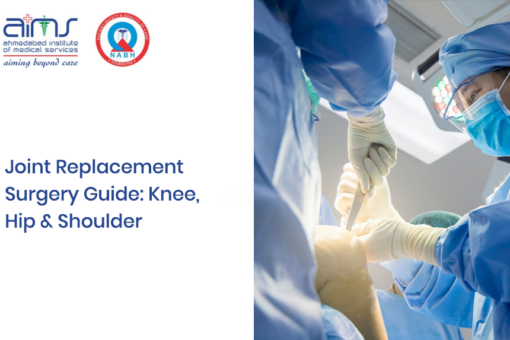
Joint Replacement Surgery Guide: Knee, Hip & Shoulder

Having chronic joint pain may seem like your world is narrowing gradually. You can no longer enjoy activities you used to enjoy because of the morning walk, gardening, or even spending time with your grandchildren; you always calculate how much the pain will be. When you find yourself not taking steps or depending on painkillers daily, you are not dealing with a bad knee or a stiff hip; you are losing your independence. By 2026, orthopedic medicine will be at a point where the elderly will no longer be considered a last resort to joint replacement. It is an active, technologically advanced cure for any person who wants to regain his or her quality of life. It can be the knee, hip, or shoulder, but the aim is the same, to get you back on your feet without a second thought. The initial step of the journey is the selection of a specialist hospital, which means that all the steps, starting with diagnosis and continuing with the recovery, should be performed by a multidisciplinary team of specialists. The Pillars of Pre-Surgical Preparation The Essential Health Check-up in Ahmedabad A surgeon must be aware that your inner engine is working well before he even thinks of an implant. The initial step that cannot be compromised is a thorough health checkup in Ahmedabad. This is not only concerning your joints; it is concerning your heart, lungs, and metabolic well-being. These screenings help doctors to detect and stabilize conditions such as diabetes or hypertension. By making sure that you are at your healthiest prior to the surgery, you are greatly reducing the chances of anesthesia complications and making sure that your body is getting the nutritional assets it requires to repair bone and tissue. Specialized Imaging and Mapping The days of one-size-fits-all implants are gone. Surgeons today map 3D to customize the operation to your anatomy. This is where an interventional radiologist in Ahmedabad comes in. These experts assist in mapping the vascular health and bone structure surrounding the joint, using advanced CT and MRI imaging. This information can enable the surgical team to foresee any difficulties and select an implant that is precisely fitted to the geometry of your body with sub-millimeter accuracy. Pre-habilitation and Mental Prep Prehab is a technique to tighten the muscles surrounding the joint prior to the surgery. The better your quadriceps are before a knee replacement, or your glutes before a hip replacement, the sooner you will be back on your feet. It is also important to be mentally prepared. Knowing the schedule of recovery and also fall-proofing your home by taking out loose rugs and putting grab bars in the home will make sure as you come out of the hospital, you have a home that is ready to help you recover as you are. Advanced Surgical Techniques: Knee, Hip & Shoulder Knee Replacement and Robotic Precision The knee is a complicated hinge, and the success of the knee is based on perfect alignment. The robot assistance is now being used in many major Orthopedics and Trauma centers when performing total or partial knee replacements. This does not imply that a robot carries out the surgery, but instead, it gives the surgeon real-time feedback to make sure that the bone is carved and the ligaments are balanced in an unbelievably accurate way. This degree of accuracy is why most patients in a specialist hospital are now capable of walking and making their first steps within only 24 hours of the operation. Hip Replacement: The Direct Anterior Approach In the case of hip replacement, the hip-replacement surgeon has adopted the “direct anterior approach,” which has become popular with active patients. In contrast to the conventional procedures, the technique enables the surgeon to access the hip joint without cutting through the muscles. This muscle-sparing technique will lead to much less post-operative pain and lower chances of dislocation. Combined with new bearings made of ceramic onto polyethylene, these new hips are expected to have a lifespan of 25 or more years, even in younger and more active patients. Shoulder Replacement and Arthroscopy Integration The surgery of the shoulder can be more of a delicate matter. It could be an anatomical replacement or a reverse shoulder replacement (commonly done to people with severe rotator cuff damage), but the emphasis is placed on restoring range of motion. An arthroscopy surgeon in Ahmedabad tends to be instrumental in this, with a minimally invasive procedure of the so-called keyhole techniques to repair the surrounding soft tissues as the joint is restored. This is a two-pronged method that makes the new joint to provide structural support that makes it easy to lift, reach, and rotate. Recovery, Rehabilitation, and Long-Term Success Interventional Radiology in Pain Management The key to early movement is managing pain. In 2026, we are no longer heavily dependent on oral painkillers. An role of a radiologist can do targeted nerve blocks or image-guided cryoablation. The patients are able to be more engaged in the process of their physiotherapy by having the pain signals blocked at the source without the same grogginess or side effects of traditional opioids. This is a game-changer in early-stage recovery with proactive pain management. The Physiotherapy Roadmap The magic is performed through physiotherapy. At the initial stage, emphasis is made on avoiding stiffness, which is the main adversary of a new joint. Together with your therapist, you will be taken through exercises that will slowly expand your scope of movement. Further on, it is replaced with functional training: how to use the stairs, drive a car, and eventually turn back to activities such as cycling, swimming, or trekking. It is not merely to move but to move confidently. Life After Joint Replacement The new joints come with their own set of few new rules, which are quite positive. Most activities are now back on the table, although high-impact exercise such as long-distance running is typically avoided in order to avoid wear and tear. Follow-ups and regular health checkups will make the implant stable over decades. The best payoff of this trip is the quality of life, the possibility to walk in a park or a grocery store without counting every step in terms of pain. Conclusion Joint replacement is a process of being bound to being free. It is no longer about managing pain but about its eradication. Having an arthroscopy surgeon for knee & shoulder is the new reality of world-level orthopedic care. Do you have a particular joint replacement (knee, hip, or shoulder) that you are researching, or are you still in the “diagnostic stage” and seeking the right specialist?
Posted by Aims Hospital
brain tumor treatment
Oncology

Brain Tumor Treatment Options: Surgery, Chemo & Recovery

Being diagnosed with a brain tumor is a life-changing event that has a huge emotional burden. In the majority of cases, the first response of patients and their families is fear and puzzlement. Nevertheless, we should be aware that we will be existing in a period of unprecedented medical progress in 2026. A diagnosis that used to be thought of as impossible to overcome is now being faced with a complex array of cures that are not only aimed at curing the tumor but also at saving the life of a person. The healing process starts with the creation of the appropriate medical team. The world-class care is not very far in a city such as Ahmedabad. The first step in transforming an overwhelming diagnosis into a roadmap that can be conquered is to find a super specialist hospital in Ahmedabad that focuses on a multidisciplinary approach that integrates oncology, neurosurgery, and intensive rehabilitation. Primary Treatment Modalities Neurosurgery and Precision Techniques Surgery is a first-line defense to many. The ultimate aim is usually “resection” and the removal of as much of the tumor as safely as possible. When a tumor is close to sensitive parts of the brain, a neurologist in Ahmedabad may prescribe debulking to alleviate pressure and enhance the success of the later treatments. In the current world, surgeons now have the use of intraoperative MRI and 3D navigation systems, which are a GPS of the brain that enable the surgeon to excise tumor tissue with sub-millimeter accuracy and spare healthy brain cells. Chemotherapy and Targeted Drug Delivery The traditional chemotherapy of brain tumors has been challenging owing to the barrier of the blood-brain, which is a protective barrier that sieves what gets into the brain. But now, 2026 has introduced new drug formulations and “targeted therapies,” which are able to cross this barrier more easily. Oral medications can be used by some patients at home, and intravenous treatments can be used by others. Genetic mapping is also a modern oncology explained area that involves analysis of the DNA of the tumor; by examining the DNA, the doctors can administer certain drugs that will target the tumor and its vulnerabilities causing minimal effects to the rest of your body. Radiation Therapy and Radiosurgery Radiation involves the use of high-energy beams to eliminate tumor cells. An alternative to traditional surgery is available with a procedure known as radiosurgery (i.e., with systems such as CyberKnife or Gamma Knife) to patients who are unable to have the traditional surgery. Although the name implies the use of a knife, there is actually no knife used; hundreds of minuscule radiation beams are focused on the tumor, with pinpoint precision. By selecting an existing Ahmedabad hospital equipped with the newest linear accelerators, the radiation remains focused on the tumor and minimized to the rest of the head through the so-called scattering. Comprehensive Care and Support Systems Emergency Access and Immediate Intervention Sometimes brain tumors can lead to sudden changes in health, including seizures or severe headaches because of the changes in pressure. In such situations, time is of the essence. This is important because as a patient undergoing treatment, one should know where to go in case of an emergency, which involves a 24/7 hospital near me. These EDs are prepared to resolve intracranial pressure emergencies and offer the quick stabilization necessary to allow a specialist to intervene. Holistic Health and Family Planning Such extreme therapies as chemotherapy and radiation may occasionally have secondary impacts on other body systems such as reproductive health. Neuro-team and gynecologist hospital in Ahmedabad: It is not unusual that younger patients will organize their care between their neuro team and a gynecologist hospital in Ahmedabad. Talking about fertility preservation or hormonal balance prior to commencing vigorous treatments is a crucial aspect of lifelong planning after a full recovery. Treating the entire body is a sure way to make sure you are not merely living with the tumor but living better than ever. Physical and Occupational Therapy Recovery doesn’t end when the surgery is over. The brain is so plastic (or can oftentimes relearn skills). Patients can recover motor skills, balance, and coordination through specialized rehabilitation in a super specialty hospital in Ahmedabad. Occupational therapists are involved in such daily activities as writing or dressing, and speech therapists are involved in such mental processes as memory and attention. It is in this step of care that patients actually get back their independence. The Roadmap to Recovery and Long-term Wellness Monitoring and Follow-up Care Long-term health relies on long-term monitoring even following a successful cycle of treatment. MRI scans are carried out in high-definition at intervals to make sure that the brain is not obstructed. Having a close and long-term relationship with your neurologist will enable any changes to be detected early. It also offers a platform to deal with the new normal like dealing with residual fatigue or mood fluctuations that may happen after treatment. Nutritional and Psychological Support What you consume helps your brain to repair itself. The nerve repair can be nourished by a brain-healthy diet, abundant in antioxidants, healthy fats, and anti-inflammatory foods. Your mental health is important too. The mental burden of a brain tumor is immense, and having counseling or support groups for the patient and the caregivers is an important aspect of recovery. Mindfulness can actually assist in the healing process in the body by reducing stress. Knowing the Signs of Recurrence Knowledge is power. Patients are educated to note the signs of red flags such as new vision problems, ongoing balance problems, or more subtle personality changes. The contact number and name of your desired Ahmedabad hospital on your phone give some security. It is always aimed at acting early. In 2026, early intervention will be the strongest weapon against recurrence. Conclusion Living after a diagnosis of a brain tumor is one of the most difficult walks one can experience in life, but you do not have to do it alone. The road to healing and recovery is full of cutting-edge technology and humanism with the experience in a AIMS- super speciality hospital in Ahmedabad and the committed care of a top neurologist in Ahmedabad. Believe your healthcare team, listen to your body, and live one day at a time. Do you or a loved one have surgery possibilities in mind, or is it time to enter the rehabilitation part of your process?
Posted by Aims Hospital
Early Signs of Heart Attack Many Patients Ignore
Heart

Early Signs of Heart Attack Many Patients Ignore

We’ve all seen the Hollywood version of a heart attack: a character suddenly gasps, clutches their chest with both hands, and collapses to the floor. While that can happen, the reality in 2026 is often much quieter and more deceptive. In many cases, the heart sends out “whispers” long before it screams. Unfortunately, because these signs are subtle, many people brush them off as age, stress, or a simple case of indigestion. Recognizing these early warning signs isn’t just about being cautious; it’s about saving your own life. When you catch a cardiac event in its “soft” stage, you prevent permanent damage to the heart muscle. Having the support of a reliable multispeciality hospital in Ahmedabad ensures that if those whispers start, you have the expert diagnostic tools and emergency care ready to intervene immediately. The Subtle Physical Red Flags The human body is an incredible communicator, but we have to learn its language. Heart distress doesn’t always start with pain; it often starts with a change in how your body handles its daily energy and rhythm. Unexplained Fatigue and Exhaustion If you suddenly find yourself too tired to finish your usual evening walk or feel “crushed” by fatigue after a standard day at the office, pay attention. This isn’t just “being busy.” When the heart struggles to pump blood effectively, it prioritizes vital organs, leaving your muscles feeling drained. Research suggests that nearly 50% of women experience unusual fatigue weeks before a major cardiac event. If you are feeling chronically wiped out, it might be time to schedule a comprehensive health checkup in Ahmedabad to look at your cardiovascular markers. Discomfort Beyond the Chest Pain from the heart doesn’t always stay in the chest. Because of the way our nerves are bundled, the brain can get “confused” about where the pain is coming from. This is called referred pain. You might feel a dull, persistent ache in your jaw, a tight sensation in your neck, or even pain between your shoulder blades. Many patients mistake this for a dental issue or a pulled muscle. If the discomfort is new and doesn’t go away with rest, don’t ignore it. Persistent Indigestion and Nausea The “heartburn” trap is perhaps the most dangerous deception. Because the lower part of the heart rests near the diaphragm and stomach, a heart attack can feel exactly like severe acid reflux or indigestion. If you have a “heavy” feeling in your stomach accompanied by a cold sweat or nausea, especially if you haven’t eaten anything unusual, don’t reach for an antacid. Reach for medical help. Overlooked Symptoms and Secondary Indicators Occasionally the heart shows its struggle in the systems that we would not necessarily equate with the chest. The marks are there, as you know where to find them, from your breath to your skin. Unusual Swelling and Joint Sensitivity Edema is caused by poor circulation. If your socks are leaving deep indentations in your ankles or your shoes feel tight by midday, it’s a sign that your heart isn’t circulating blood effectively. Interestingly, people often visit an arthroscopy surgeon in Ahmedabad for what they think is joint pain in the knees or ankles, only to find that the underlying issue is actually vascular inflammation or circulatory pressure. Skin Changes and Stress Manifestations Your skin is a window into your internal health. A slight bluish or grayish tint to the lips or fingernails (cyanosis) indicates that your blood isn’t carrying enough oxygen. Furthermore, chronic stress often shows up on the skin as breakouts or inflammation. While you might seek out dermatology services in Ahmedabad for the surface issue, these flare-ups can sometimes be the body’s way of signaling high cortisol levels that are putting your heart at risk. Taking Proactive Steps Toward Prevention The best way to survive a heart attack is to prevent it from ever happening. In 2026, modern medicine is about responding to the fire before the smoke emerges (i.e., predictive care). The Power of Routine Screening Waiting for symptoms is a risky strategy. A routine health checkup in Ahmedabad can identify “silent killers” like high blood pressure and asymptomatic cholesterol buildup. Modern diagnostics like the 2D echo or a stress test can see exactly how your heart is performing under pressure. Knowledge is your best defense; knowing your numbers allows you to make changes while they are still optional. Knowing When to Act Fast In cardiology, “Time is muscle.” Every minute you wait during a cardiac event, more heart tissue is at risk. The first 60 minutes are known as the “Golden Hour.” If you experience any combination of the symptoms mentioned today, don’t wait to see if they pass. Ensure you know the route to the nearest multispecialty hospital in Ahmedabad and have the number of a 24/7 hospital near me saved on your phone. Conclusion A heart attack does not necessarily go out with a bang. It begins more frequently with a strange feeling of tiredness, a case of stomachache that will not clear, or a funny aching in the jaw. With these minor red flags and regular screenings, you are putting your health story in your hands. Your heart works 24/7 for you; the least you can do is listen when it tries to tell you something is wrong. Trust your intuition; it’s better to have a “false alarm” at the hospital than to ignore a real one at home. Are you or a loved one currently experiencing any of these “quiet” symptoms, or is it perhaps time to finally book that overdue wellness check?
Posted by Aims Hospital
Health Checkups Are Important Even Without Symptoms
Health Checkup

Why Preventive Health Checkups Are Important Even Without Symptoms

An old adage, “Prevention is better than cure,” is more applicable today than it has ever been in the past in 2026. Most of us wait for a “check engine” light, a sharp pain, a fever, or extreme fatigue before we even consider visiting a clinic. However, the human body is a complex machine that doesn’t always show a dashboard warning. Many life-threatening conditions, from hypertension to early-stage malignancies, are “silent.” They develop quietly in the background while you feel perfectly healthy. This is why a regular health checkup in Ahmedabad is no longer just a medical suggestion; it is a vital insurance policy for your future. Understanding the “Silent” Nature of Modern Diseases In the modern urban environment, our biggest health threats aren’t sudden infections; they are chronic lifestyle diseases. These conditions are called “silent” because they often bypass your body’s pain receptors until they reach an advanced stage. 1. Hypertension: The Silent Pressure Cooker High blood pressure is famously known as the “silent killer.” You can have elevated blood pressure for years without a single headache or dizzy spell. Meanwhile, that internal pressure is causing micro-damage to your heart, brain, and kidneys. During a standard health checkup in Ahmedabad, a simple blood pressure reading acts as an early warning system, allowing you to manage the condition through lifestyle changes rather than emergency intervention. 2. Type 2 Diabetes: The Window of Reversal Diabetes doesn’t happen overnight. Most people pass through a “pre-diabetic” phase where blood sugar is high but not yet symptomatic. If caught during a preventive screening, this stage is often reversible through diet and exercise. If you wait until you feel thirsty or fatigued, you may have already crossed into a stage that requires lifelong medication. 3. High Cholesterol: The Invisible Plaque You cannot “feel” your arteries narrowing. High cholesterol (hyperlipidemia) has no outward symptoms. By the time it causes chest pain, the blockage is already significant. A lipid profile test during your annual checkup provides a clear map of your cardiac risk, allowing for proactive heart care. The Strategic Benefits of Being Proactive Its benefits are clinical and financial. By being proactive, you can be able to define the conditions of your healthcare instead of responding to a crisis. It puts the balance of power over the disease back on the patient. Early Intervention = Better Success Rates: The survival rates of most ailments, such as different types of cancer, range at more than 90 percent when detected in Stage I. Financial Sanity: Ahmedabad has such a preventative health package termed “financial sanity” that is cheaper than a night in an ICU or even a significant surgical operation. Peace of mind: The psychological advantage of having peace of mind is that you know that your internal numbers (vitamin levels, organ functioning, and blood markers) are good. What a Standard Preventive Checkup Covers A complete health examination is a 360 inspection of your vital organs. When you book a health checkup in Ahmedabad, you should look for a package that covers the following: The Blood Audit: CBC, Blood Sugar (Fasting & HbA1c), and Kidney/Liver Function Tests. These markers provide a comprehensive look at your oxygen-carrying capacity and your body’s ability to filter toxins. Cardiac Screening: An ECG to monitor heart rhythm and a lipid profile for cholesterol. These tests work together to ensure your heart’s electrical system and plumbing are both in top shape. Nutrient Analysis: By 2026, almost 70 percent of urban Indians will be vitamin D- and B12-deficient. These shortcomings result in unexplainable fatigue and pain in the bones, which are usually considered as mere work stress. Fixing these levels can make you dramatically more energetic and cognitively focused on your everyday life. Imaging: An ultrasound (abdomen) to rule out such silent problems as fatty liver or gallstones. This internal examination is capable of detecting structural change within your organs before they fail to work. It is especially effective in detecting problems such as kidney stones when they are still agonizingly painful. The Ahmedabad Context: Why Local Lifestyle Matters Ahmedabad is a city that loves its food and its fast-paced business culture. However, our delicious, calorie-dense thalis and sedentary office routines can take a toll. When you combine our local diet with urban stress and pollution, the risk for metabolic disorders increases. Fortunately, Ahmedabad has become a healthcare hub. Accessing a world-class health checkup in Ahmedabad is now easier than ever, with NABL-accredited labs and specialized diagnostic centers offering home collection and digital reports across areas like Prahladnagar, Satellite, and Bodakdev. Overcoming the “Fear of Finding Out” It is completely normal to feel a bit of white-coat anxiety. A lot of individuals do not want to see a doctor, as they are scared that a doctor can discover something is wrong. However, keep in mind that the initial step to the solution of a problem is its identification. By 2026, the level of modern medicine has become so sophisticated that the majority of diseases detected early are completely curable. Knowing you have high blood sugar or elevated pressure isn’t “bad news”; it is a powerful piece of information that gives you back control. The only thing more frightening than a diagnosis is a condition that is allowed to grow in the dark. Conclusion A health checkup isn’t about “looking for trouble”; it’s about looking for a long, vibrant life. In 2026, being healthy is no longer a matter of luck; it is a matter of data and proactive management. Take charge of your health today so you can enjoy the “City of Churches” for decades to come. Don’t wait for a symptom to appear. Book your comprehensive health checkup in Ahmedabad today and start your journey toward a truly healthy future.
Posted by Aims Hospital
Clinic vs. Multispeciality Hospital
Multispeciality Hospital

Clinic vs. Multispeciality Hospital: Which One Should You Choose?

Just imagine that you wake up with a nagging fever, a painful ache in your chest, or even a cough that just won’t stop. You are about to visit a doctor, but here is the dilemma. Were you to visit that little, old-time clinic at the end of your block, or was it the large, shiny multispecialty hospital across the street? It is among the most frequent questions as a patient in the current healthcare environment. Although both buildings serve an essential purpose in ensuring that we stay healthy, the choice as to which building is better is not always determined by the size or the cost of the building. It is all about the fit of your particular medical requirements, your finances, and the exigency of your position to the appropriate setting. We will divide the differences to enable you to make a decisive move on the health of your family. Understanding the Clinic: Your Neighborhood First Responder A clinic is an outpatient facility, which is usually concerned with primary care and attention to individuals. Consider it to be the front line of the medical world. 1. What Defines a Clinic? Clinics are mainly specialized in OPD (Outpatient Department). This involves going there, seeing a doctor, obtaining a prescription or a fast treatment, and walking home. They are typically operated by a general doctor or by one doctor, e.g., a pediatrician, a dentist, or a gynecologist. Since they work on a small scale, they provide low wait times and a family-doctor atmosphere that is difficult to find in large institutions. 2. When to Choose a Clinic Common Sicknesses: A clinic is the best place when it comes to common colds, seasonal flu, minor skin rashes, or stomach upsets. Preventive Care: In case of having a general health check-up, school vaccination, or regular blood pressure checking, the clinic is the one that offers both speed and convenience. Follow-up Visits: In case you are in need of a quick check-in or a prescription refill after having a significant treatment done, the clinic saves you the frustration of going through the large hospital. The Multispeciality Hospital: The All-in-One Medical Powerhouse A multispecialty hospital is an organization of large size and is structured to offer all-around care in different medical disciplines. It is practically a city of health, where each of the floors can be made to be a specialty. 1. What Sets It Apart? A multispecialty hospital is characterized by interdisciplinary expertise. In the same building, you can get cardiologists, neurologists, orthopedists, and nephrologists. These hospitals are inpatient, unlike the clinics, since they have beds where patients can spend the night, state-of-the-art operating theaters, and intensive care units (ICUs). They are also equipped with advanced diagnostic equipment such as MRI and CT scans, which many clinics just cannot afford to fit into the facility. 2. When to Choose a Multispeciality Hospital Emergencies: In case of chest pain, major injuries, and acute neurologic symptoms such as numbness or slurred speech, you should not visit the clinic but go directly to a hospital. Complex Conditions: In a situation where one symptom may be related to more than one organ, such as the heart or kidney complications associated with diabetes, the hospital enables various specialists to work on your case. Surgical Requirements: The surgery must be done in a hospital environment that involves anesthetics, a sterilized operating room, or post-operative care. The Hidden Benefits of Multispeciality Care Multispecialty hospitals are considered the gold standard of complex care, and there is a reason why. The greatest strength comes in the form of the one-stop shop experience. You are able to get your blood tests, take an X-ray, and visit two different specialists all within the same building in the morning. In addition, the smooth referral system is a savior. In case your general doctor at the hospital notices something wrong with your heart during a regular check-up, the cardiologist is no more than a ride on the elevator, and your digital records are already on his desk. Finally, and most importantly, to those who are financially conscious, most large hospitals have also formed tie-ups with major insurance providers (TPAs) of cashless facilities, which most small, privately owned clinics are unable to provide. Why Clinics Still Win for Daily Health The size of a hospital should not make you believe that the clinics are becoming a thing of the past. A clinic is the better option in 80% of our health requirements. The economic feasibility cannot be overestimated; why pay an extra charge on the level of the hospital administration just to receive a simple viral fever? There are also clinics that are very well available, which are normally found in residential areas that are within walking distance. Above all, clinics usually do not work with such critical illness. You are sharing waiting rooms with highly ill people in a large hospital. This may expose you to hospital-acquired infections. In a clinic, the surroundings are usually less controlled and less heavy with germs. The Hybrid Reality: How to Balance Both The wisest idea to work in the healthcare of 2026 is to integrate the two facilities into one entire ecosystem. Imagine it is the Referral Loop. Begin with your favorite local clinic with any health issue. No one knows your history more than your family doctor. In case they issue a red flag or suspect that your health demands the attention of a specialist, they will refer you to a multispecialty hospital. After your major treatment or surgery at the hospital, you will be able to visit your local clinic to monitor and check your vitals. This shared care model will make sure that you receive high-end expertise when needed but at the same time receive personalized and affordable care in the long run. Conclusion The clinic and the multispecialty hospital cannot be said to be better than each other in a vacuum at the end of the day. They both are key health tools in your toolkit. You have found a clinic that offers speed, low prices, personalized relations, and maintenance of your health with a regular checkup. Select a hospital with multiple specialties to find the necessary level of accuracy in diagnostics, complex surgical operations, emergency care, and holistic treatment with a variety of specialists. Knowing the advantages of both, you can make sure that you receive the appropriate care at the appropriate time and do not spend too much on it or sacrifice safety.
Posted by Aims Hospital
Arthroscopy Recommended for Knee
arthroscopy surgeon

When Is Arthroscopy Recommended for Knee or Shoulder Pain?

Knee and shoulder pain are among the most common musculoskeletal complaints affecting people of all ages—from athletes to working professionals and elderly individuals. While many cases can be managed with medication, rest, or physiotherapy, some conditions require more advanced evaluation and treatment. This is where arthroscopy becomes an important option. Arthroscopy is a minimally invasive surgical procedure that allows doctors to diagnose and treat joint problems using a small camera and specialized instruments. But the key question many patients have is: When is arthroscopy actually recommended? In this article, we’ll explore the conditions, symptoms, and scenarios where arthroscopy is advised for knee and shoulder pain, along with its benefits and recovery expectations. What Is Arthroscopy? Arthroscopy is a surgical procedure in which a small camera, called an arthroscope, is inserted into the joint through a tiny incision. This camera provides a clear view of the joint structures on a monitor, allowing the surgeon to identify and treat issues without making large cuts. It is commonly used for: Knee joints Shoulder joints Ankles, elbows, and wrists (less frequently) Because it is minimally invasive, arthroscopy offers faster recovery, less pain, and minimal scarring compared to traditional open surgery. When Is Arthroscopy Recommended for Knee Pain? Knee pain can result from injuries, wear and tear, or underlying medical conditions. Arthroscopy is typically recommended when conservative treatments fail or when a precise diagnosis is required. 1. Persistent Knee Pain Despite Treatment If knee pain continues even after: Medication Physiotherapy Rest Lifestyle modifications then arthroscopy may be advised to identify the root cause and treat it simultaneously. 2. Meniscus Tears The meniscus is a cartilage that cushions the knee joint. Tears can occur due to sports injuries or aging. Symptoms: Pain while twisting or bending Swelling Locking sensation Arthroscopy is commonly used to repair or remove the damaged part of the meniscus. 3. Ligament Injuries (ACL/PCL) Ligaments stabilize the knee joint. Injuries like ACL (Anterior Cruciate Ligament) tears are common in athletes. When arthroscopy is needed: Knee instability Difficulty walking or running Recurrent giving way of the knee Arthroscopic surgery allows precise ligament reconstruction. 4. Cartilage Damage Damage to the cartilage can lead to pain, swelling, and restricted movement. Arthroscopy helps: Smooth damaged cartilage Stimulate healing Prevent further joint deterioration 5. Loose Bone or Cartilage Fragments Sometimes, small fragments float inside the joint, causing pain and locking. Arthroscopy is used to: Remove these fragments Restore smooth joint movement 6. Knee Joint Inflammation Conditions like synovitis (inflammation of joint lining) may require arthroscopy when medication fails. When Is Arthroscopy Recommended for Shoulder Pain? Shoulder pain can be caused by injuries, repetitive strain, or degenerative conditions. Arthroscopy is recommended when symptoms persist or worsen over time. 1. Rotator Cuff Tears The rotator cuff consists of muscles and tendons that help keep the shoulder joint stable. Symptoms: Weakness in the arm Pain while lifting Difficulty sleeping on the affected side Arthroscopy is used to repair torn tendons with minimal tissue damage. 2. Shoulder Impingement Syndrome This occurs when shoulder tendons are compressed during movement. Symptoms: Pain while raising the arm Limited range of motion Arthroscopy helps relieve pressure by removing inflamed tissue or bone spurs. 3. Recurrent Shoulder Dislocation Repeated dislocations can damage ligaments and cartilage. Arthroscopy helps: Repair torn structures Stabilize the joint Prevent future dislocations 4. Frozen Shoulder (Adhesive Capsulitis) In severe cases where physiotherapy and medication fail, arthroscopy may be used to release tight tissues and restore mobility. 5. Labral Tears The labrum is a circular band of cartilage that helps keep the shoulder joint stable. Arthroscopy allows precise repair of labral tears, especially in athletes. Benefits of Arthroscopy Arthroscopy is widely preferred due to its advantages: 1. Minimally Invasive Small incisions reduce tissue damage. 2. Faster Recovery Patients can return to daily activities sooner. 3. Less Pain Compared to open surgery, post-operative pain is significantly lower. 4. Lower Risk of Complications Reduced risk of infection and blood loss. 5. Accurate Diagnosis and Treatment Surgeons can directly view the joint and treat the problem in the same procedure. When Arthroscopy Is NOT Recommended Arthroscopy is not always the first option. It may not be suitable for: Mild pain that responds to conservative treatment Advanced arthritis (in some cases) Patients with high surgical risk Doctors usually recommend arthroscopy only after evaluating all non-surgical options. Recovery After Arthroscopy Recovery depends on the type of procedure and the joint involved. Typical Recovery Timeline: Walking with support: Within a few days (knee) Shoulder movement exercises: Within 1–2 weeks Full recovery: 4–12 weeks Post-Surgery Care Includes: Physiotherapy Pain management Gradual return to activity Following professional medical guidance is essential for achieving the best possible recovery. When Should You Consult a Doctor? You should seek medical advice if you experience: Persistent knee or shoulder pain Swelling or stiffness Limited movement Joint instability Clicking or locking sensation Early diagnosis can prevent the condition from worsening and may reduce the need for surgery. Conclusion Arthroscopy has revolutionized the treatment of joint problems by offering a minimally invasive and highly effective solution for knee and shoulder pain. It is typically recommended when conservative treatments fail or when there is structural damage that requires surgical intervention. Understanding when arthroscopy is needed can help patients make informed decisions and seek timely medical care. With proper diagnosis, expert treatment, and rehabilitation, most patients can regain mobility and return to their normal activities. FAQs 1. Is arthroscopy painful? The procedure itself is done under anesthesia, and post-surgery pain is usually mild and manageable. 2. How long does arthroscopy take? It typically takes 30 minutes to 2 hours, depending on the condition. 3. Can arthroscopy cure all knee or shoulder problems? Not all conditions require or benefit from arthroscopy; it depends on the diagnosis. 4. Is arthroscopy safe? Yes, it is considered a safe procedure with a low risk of complications when performed by an experienced surgeon.
Posted by Aims Hospital
Multidisciplinary Care Matters
Multispeciality Hospital

Why Multidisciplinary Care Matters in a Multispeciality Hospital

Healthcare has evolved significantly over the past few decades. Diseases are no longer simple or isolated; many patients today suffer from complex conditions that require expertise from multiple medical fields. This is where multidisciplinary care becomes essential—especially in a multispeciality hospital setting. Multidisciplinary care is not just a modern healthcare trend; it is a patient-centered approach that improves diagnosis accuracy, treatment outcomes, and overall patient experience. In this article, we will explore why multidisciplinary care is crucial and how it transforms healthcare delivery in multispeciality hospitals. What Is Multidisciplinary Care? Multidisciplinary care refers to a collaborative approach where healthcare professionals from different specialties work together to diagnose, treat, and manage a patient’s condition. Instead of a single doctor handling everything, a team may include: Physicians Surgeons Radiologists Physiotherapists Nutritionists Psychologists Nurses Each expert contributes their knowledge, ensuring a comprehensive treatment plan tailored to the patient’s needs. Understanding Multispeciality Hospitals A multispeciality hospital is equipped with multiple departments such as cardiology, orthopedics, neurology, oncology, and more—all under one roof. This setup enables: Easy coordination between departments Faster diagnosis and treatment Better patient monitoring Access to advanced technology When combined with multidisciplinary care, multispeciality hospitals provide a holistic healthcare experience. Why Multidisciplinary Care Matters 1. Accurate Diagnosis of Complex Conditions Many diseases today involve multiple systems in the body. For example: Diabetes can affect the heart, kidneys, and eyes Cancer often requires surgical, medical, and radiation expertise Orthopedic injuries may need surgical and rehabilitation support A single specialist may miss important aspects of a condition. However, when multiple experts collaborate, the chances of accurate diagnosis increase significantly. 2. Personalized Treatment Plans Every patient is unique. Multidisciplinary care ensures that treatment is customized rather than standardized. For example: A patient with heart disease and diabetes will need: A cardiologist for heart care An endocrinologist for diabetes management A nutritionist for diet planning Together, they create a treatment plan that considers all aspects of the patient’s health. 3. Faster Decision-Making In traditional healthcare systems, patients often visit multiple doctors separately, leading to delays in treatment. In a multispeciality hospital: Doctors collaborate in real time Case discussions happen quickly Treatment decisions are made faster This is especially critical in emergencies like trauma or stroke, where time is crucial. 4. Improved Treatment Outcomes Studies have shown that multidisciplinary care leads to better clinical outcomes. Benefits include: Reduced complications Faster recovery Lower hospital readmission rates Better long-term health management For example, cancer patients treated through multidisciplinary tumor boards often have higher survival rates compared to those treated in isolation. 5. Enhanced Patient Experience Healthcare can be overwhelming for patients and their families. Multidisciplinary care simplifies the journey by: Reducing the need for multiple appointments Providing coordinated communication Offering clear treatment plans Patients feel more confident knowing that a team of experts is managing their care. 6. Comprehensive Post-Treatment Care Recovery does not end after surgery or treatment. Multidisciplinary care ensures: Rehabilitation support Mental health counseling Nutritional guidance Lifestyle management For example, after joint replacement surgery, a patient may need physiotherapy, diet management, and pain control—all coordinated seamlessly. Real-Life Applications of Multidisciplinary Care Cancer Treatment Cancer care is one of the best examples of multidisciplinary care. A typical team includes: Oncologist Surgeon Radiologist Pathologist Nutritionist Together, they decide the best treatment approach—surgery, chemotherapy, radiation, or a combination. Orthopedic Care In cases like knee or hip replacement: Orthopedic surgeon performs surgery Physiotherapist helps in recovery Pain specialist manages discomfort This integrated approach ensures faster rehabilitation. Cardiac Care Heart patients often require: Cardiologist Cardiac surgeon Dietitian Lifestyle coach This ensures both immediate treatment and long-term prevention. Role of Technology in Multidisciplinary Care Modern multispeciality hospitals use advanced technology to enhance collaboration. 1. Electronic Health Records (EHR) Allows doctors to access patient data instantly. 2. Telemedicine Enables specialists to consult remotely. 3. Diagnostic Tools Advanced imaging and lab tests improve accuracy. 4. AI-Based Insights Helps in predicting outcomes and improving treatment planning. Technology ensures that all specialists are aligned and informed. Challenges in Multidisciplinary Care While highly beneficial, multidisciplinary care also comes with challenges: Coordination between departments Communication gaps Higher operational costs Need for strong management systems However, well-established multispeciality hospitals overcome these challenges through structured processes and teamwork. Why Patients Should Choose Multispeciality Hospitals Choosing a multispeciality hospital with multidisciplinary care offers several advantages: Access to multiple experts in one place Faster diagnosis and treatment Better quality of care Advanced medical infrastructure Holistic patient management This makes it the preferred choice for treating complex and chronic conditions. Future of Multidisciplinary Healthcare The future of healthcare is collaborative. Trends shaping the future include: Integrated care models AI-driven decision support Personalized medicine Preventive healthcare strategies Multidisciplinary care will continue to evolve, making healthcare more efficient and patient-centric. Conclusion Multidisciplinary care is redefining how healthcare is delivered in multispeciality hospitals. By bringing together experts from different fields, it ensures accurate diagnosis, personalized treatment, and better outcomes. In a world where health conditions are becoming increasingly complex, this collaborative approach is not just beneficial—it is essential. Patients today need more than just treatment; they need comprehensive care. Multidisciplinary care provides exactly that, making multispeciality hospitals the backbone of modern healthcare. FAQs 1. What is multidisciplinary care in hospitals? It is a collaborative approach where doctors from different specialties work together to treat a patient. 2. Why is multidisciplinary care important? It improves diagnosis accuracy, treatment outcomes, and patient experience. 3. Which conditions require multidisciplinary care? Complex conditions like cancer, heart disease, diabetes, and orthopedic injuries. 4. Do multispeciality hospitals always offer multidisciplinary care? Most modern multispeciality hospitals follow this approach for better patient outcomes.
Posted by Aims Hospital
Full Body Checkup
Full Body Checkup

What Tests Are Included in a Standard Full Body Checkup?

Think about the last time you took your car for a service or called a technician to check your air conditioner before the scorching Ahmedabad summer hits. We do these things instinctively because we know that “preventive maintenance” saves us from expensive repairs and sudden breakdowns. But what about the greatest and most useful machine you are going to own? Your body. In the hustle and bustle of life, balancing work, family, and perhaps a bit too many delicious farsans and jalebis, our health often takes a back seat. We usually wait until we feel “sick” to visit a doctor. However, many modern health issues, like high blood pressure or diabetes, are “silent killers.” They don’t always show symptoms until they’ve done real damage. That is why the regular body checkup in Ahmedabad is one of the best investments that you can make. However, have you never been the subject of such tests? You may wonder: So what exactly happens in these tests? We should take back the curtain and see what is in a typical examination of a full body. The Foundation: Vital Signs and Physical Examination Every good checkup starts with the basics. Before the needles and big machines come out, a healthcare professional will check your “vitals.” These are the primary indicators of how your body is functioning at rest. Blood Pressure (BP): This is vital because hypertension (high blood pressure) often has zero symptoms. BMI (Body Mass Index): Doctors can use the height and weight of an individual to determine whether he or she is within the healthy range. In an urban environment such as Ahmedabad, where one is likely to consume high-calorie diets, weight monitoring is important in heart disease prevention. Pulse and Oxygen Levels: The fast check of heart rate and oxygen levels in your blood is used to ensure the functionality of your lungs and heart. The “Big Picture”: Essential Blood Tests Blood serves as a computerized report about the internal organs. Labs are able to peep into your veins by sampling a small sample. 1. Complete Blood Count (CBC) This is the most common test. It examines your red blood cells (oxygen), white blood cells (infection), and platelets (blood clot). It can tell a doctor if you are anemic, have a hidden infection, or are at risk of bleeding disorders. 2. Blood Sugar Profile Gujarat has one of the highest rates of diabetes in India. A standard checkup includes a fasting blood sugar test and often an HbA1c test. While a fasting test shows your sugar levels right now, the HbA1c shows your average sugar levels over the last three months. It’s the best way to catch “pre-diabetes” before it becomes a lifelong struggle. 3. Lipid Profile (The Heart Check) This test measures the fats in your blood. It breaks down your “good” (HDL) cholesterol and “bad” (LDL) cholesterol, along with triglycerides. High levels of bad cholesterol lead to blockages in the heart, so knowing these numbers is essential for anyone over the age of 30. Organ Function Tests: Checking Your “Internal Engines” Your organs work 24/7 to filter toxins and keep you alive. A full body checkup includes specific tests to make sure these “engines” aren’t straining. Liver Function Test (LFT) Your liver processes everything you eat and drink. The LFT checks for enzymes like SGPT and SGOT. In our modern lifestyle, “fatty liver” has become very common. Catching it early through a checkup allows you to fix it simply with diet and exercise. Kidney Function Test (KFT) Your kidneys filter waste out of your blood. The KFT measures levels of urea and creatinine. If these levels are high, it means your kidneys aren’t filtering as well as they should. A simple urine analysis is also usually included to check for protein loss or early signs of kidney stones. Thyroid Profile The thyroid is a small gland in your neck that acts like a remote control for your metabolism. If it’s too active or too slow, you might feel constantly tired, gain weight unexpectedly, or feel depressed. A quick TSH test can pinpoint if your thyroid needs help. Imaging and Heart Health Screening Sometimes, blood tests don’t tell the whole story. We need to “see” what’s happening inside. Chest X-Ray: This looks at your lungs and the size of your heart. It is especially important for people living in urban areas with high pollution or for those who have a history of smoking. ECG (Electrocardiogram): This is a painless test where sensors are placed on your chest to check your heart’s rhythm. It can detect if your heart is under stress or if there are signs of past damage. Ultrasound (USG) Abdomen: This uses sound waves to look at your internal organs like the gallbladder, spleen, and pancreas. It’s the best way to find gallstones or kidney stones before they cause a painful emergency. Vitamins and Bone Health Did you know that nearly 70% of urban Indians are deficient in vitamins D and B12? Even in sunny Ahmedabad, we spend so much time indoors or covered up that our vitamin D levels drop. Deficiencies in these vitamins lead to chronic fatigue, “brain fog,” and bone pain. Most standard full-body packages now include these tests because fixing a deficiency can often make you feel like a completely new person within weeks. Why Choice of Location Matters When you are looking for a body checkup in Ahmedabad, you have plenty of choices from large hospitals to specialized diagnostic centers. When choosing a place, look for NABL accreditation. This is a “seal of quality” that ensures the lab’s results are accurate and reliable. Also, check if the center offers a doctor consultation after the results come out. Numbers on a page are just data; a doctor’s explanation is what gives you a plan of action. How to Prepare for Your Checkup To get the most accurate results, you need to prepare a little: Fast for 10–12 hours: For blood sugar and cholesterol tests, you should not eat or drink anything (except plain water) for at least 10 hours before the test. Stay Hydrated: Drink plenty of water. It makes it easier for the lab technician to find your veins and ensures your urine sample is clear. Wear Loose Clothes: You’ll need to roll up your sleeves and perhaps change for an X-ray or ultrasound. Avoid Alcohol: Do not consume alcohol for at least 24 hours before your checkup, as it can temporarily alter your liver and sugar results. Investing in Your Future Self A full body checkup isn’t just a list of medical jargon and needle pokes. It is a roadmap. It tells you exactly where you are today and what you need to do to ensure you are healthy five, ten, or twenty years from now. In a city that loves its food and its busy life, taking one morning a year to check your health is the best gift you can give your family. After all, your health is the only true wealth you possess.
Posted by Aims Hospital
Body Checkup in Ahmedabad
Full Body Checkup

Things to Know Before Booking a Full Body Checkup in Ahmedabad

In today’s fast-paced lifestyle, health often takes a back seat until symptoms appear. However, preventive healthcare has become increasingly important, especially in urban cities like Ahmedabad where work pressure, sedentary routines, and lifestyle diseases are on the rise. A full body checkup helps identify health problems early, often before noticeable symptoms develop. Booking a comprehensive health screening can provide a complete picture of your physical condition, including heart health, organ function, blood parameters, and metabolic health. But before scheduling a full body checkup, it’s important to understand what it includes, how to prepare for it, and how to choose the right package. This guide explains the key things you should know before booking a full body checkup in Ahmedabad so you can make an informed decision about your health. Understanding What a Full Body Checkup Includes A full body checkup is a preventive diagnostic package designed to evaluate the overall functioning of the body. These checkups usually include multiple laboratory and imaging tests that assess vital organs and metabolic markers. Typical tests included in a comprehensive package are: Complete Blood Count (CBC) Blood sugar tests (fasting glucose or HbA1c) Lipid profile for cholesterol levels Liver function tests Kidney function tests Thyroid profile Urine analysis Vitamin tests that measure levels like Vitamin D or Vitamin B12 ECG or other cardiac tests (in advanced packages) These tests help doctors detect early signs of diabetes, thyroid disorders, liver issues, kidney disease, and cardiovascular risks. Many diagnostic packages today include 70–100 test parameters covering blood health, vitamin deficiencies, metabolic disorders, and organ function to give a complete health overview. Why Preventive Health Checkups Are Important Preventive screening plays a major role in modern healthcare. Many chronic diseases such as heart disease, diabetes, and cancer develop gradually without obvious symptoms. Studies show that regular health screenings can significantly reduce mortality risk by enabling early detection and treatment of chronic diseases. Early detection allows doctors to: Identify health risks before they become severe Start treatment earlier Monitor chronic conditions effectively Improve long-term quality of life In cities like Ahmedabad, where lifestyle diseases are increasing due to sedentary work habits and dietary changes, regular checkups are becoming more essential. Choose the Right Health Package Before booking a full body checkup, review the package details carefully. Not all packages include the same tests. Some basic packages may only cover 30–40 parameters, while comprehensive packages include more than 90 diagnostic markers. A good health checkup package should include: Blood sugar profile Lipid profile (cholesterol levels) Liver and kidney function tests Thyroid tests Complete blood count Urine analysis Vitamin and mineral tests Advanced packages may also include imaging tests like ultrasound, ECG, or chest X-ray. Choosing the right package depends on several factors such as age, family medical history, and lifestyle risks. Check Lab Accreditation and Quality Standards Before booking a health screening, ensure that the diagnostic center follows proper medical standards. Laboratories should ideally have certifications such as: NABL accreditation ISO certification CAP certification Accredited laboratories follow strict quality protocols, ensuring that test results are accurate and reliable. Reliable diagnostic centers also maintain advanced equipment and trained technicians to perform complex tests. Consider Your Age and Risk Factors Your age and health risk profile should influence the type of health checkup you choose. People under 30 Basic preventive health packages may be sufficient, focusing on blood sugar, cholesterol, and organ function. People aged 30–40 More comprehensive packages are recommended, as lifestyle diseases often begin to develop during this period. People above 40 Annual full body checkups are usually advised to monitor cardiovascular health, diabetes risk, and hormonal balance. Individuals with family histories of diabetes, hypertension, or heart disease should also undergo regular screenings. Follow Pre-Test Preparation Guidelines Many people overlook preparation instructions before undergoing health tests. However, proper preparation is necessary to ensure accurate results. Common preparation guidelines include: Fasting for 10–12 hours before blood tests Avoid alcohol or heavy meals the night before Continue prescribed medications unless instructed otherwise Get adequate sleep before the test Stay hydrated For example, fasting before a blood test is essential because food intake can alter blood sugar, cholesterol, and triglyceride levels. Always confirm preparation instructions with the diagnostic center before the appointment. Understand the Cost and Value Full body checkup prices can vary significantly depending on the number of tests included and the reputation of the diagnostic center. In Ahmedabad, basic packages may start from around ₹1,500 to ₹3,000, while advanced packages with imaging tests can cost ₹5,000 or more. Instead of choosing the cheapest package, focus on: Number of parameters included Quality of the laboratory Availability of doctor consultation after reports Turnaround time for results A slightly higher investment in a comprehensive package can provide more useful health insights. Check If Doctor Consultation Is Included One important factor people often forget is post-checkup medical consultation. Test reports can be confusing without proper medical interpretation. Many diagnostic packages include consultation with a physician who reviews the results and explains any abnormalities. Doctor consultation helps patients: Understand test results clearly Identify health risks Receive lifestyle recommendations Plan further treatment if necessary Without professional guidance, patients may misinterpret results or ignore important health indicators. Consider Home Sample Collection Many diagnostic centers in Ahmedabad now offer home sample collection services, making health checkups more convenient. This option is especially useful for: Elderly patients Busy professionals Individuals with mobility issues A trained technician visits the patient’s home to collect blood samples, which are then processed in certified laboratories. Reports are typically provided in digital format within 24 to 48 hours. Home testing services have become increasingly popular because they save time and reduce travel stress. Evaluate the Report Delivery Time Before booking your checkup, ask how long it takes to receive reports. Most routine diagnostic tests provide results within 24–48 hours, although specialized tests may take longer. Fast report delivery helps doctors quickly review results and recommend any necessary treatments or lifestyle changes. Many diagnostic centers now provide digital reports through email or mobile apps, allowing patients to access results easily. Look for Personalized Health Screening Health checkups should not follow a “one-size-fits-all” approach. Personalized screening based on age, gender, and medical history provides more useful results. Examples include: Women may need additional tests such as hormonal screening or gynecological evaluations. Men above 40 may require prostate health tests. People with diabetes risk factors may need additional glucose monitoring tests. Consulting a doctor before selecting a package can help you choose the most appropriate health screening. Maintain a Regular Checkup Schedule One of the biggest mistakes people make is undergoing a health checkup once and then ignoring future screenings. Regular checkups allow doctors to compare reports over time and identify changes in health markers. General recommendations include: Every 2–3 years for individuals under 30 Every 1–2 years for adults aged 30–40 Annual checkups for people over 40 Maintaining consistent health records helps track your long-term health trends. The Growing Importance of Preventive Healthcare Preventive healthcare awareness has increased significantly in India in recent years. More people are adopting proactive health monitoring instead of waiting for symptoms to appear. In Gujarat, health awareness trends show a growing focus on preventive care and wellness habits among residents. This shift reflects a broader understanding that regular health monitoring can prevent serious diseases and reduce long-term medical costs. Conclusion Booking a full body checkup is one of the most effective steps you can take to protect your long-term health. In a busy urban environment like Ahmedabad, lifestyle-related health risks are increasing, making preventive screening more important than ever. Before scheduling your checkup, it’s essential to understand what the package includes, follow proper preparation guidelines, choose a reliable diagnostic center, and ensure doctor consultation is available for interpreting results. A well-planned health checkup can detect potential health issues early, allowing timely treatment and healthier lifestyle choices. By prioritizing preventive healthcare today, you can build a stronger foundation for a healthier future.
Posted by Aims Hospital
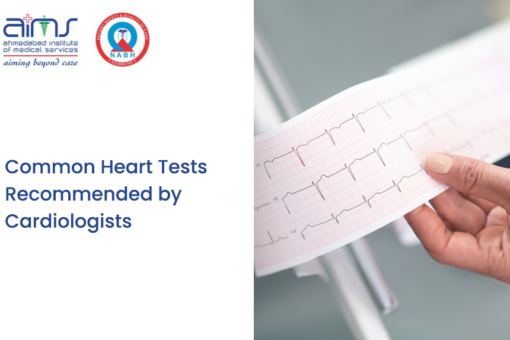
Common Heart Tests Recommended by Cardiologists
Cardiologist

Common Heart Tests Recommended by Cardiologists

Heart disease is one of the leading causes of health complications worldwide. Early detection and proper diagnosis play a vital role in preventing serious cardiac problems. Cardiologists rely on several diagnostic tests to understand how well the heart is functioning, detect abnormalities, and determine the most effective treatment plan. Heart tests are designed to evaluate different aspects of cardiovascular health, including heart rhythm, blood flow, structural issues, and the presence of blockages in arteries. These tests help doctors identify conditions such as coronary artery disease, arrhythmias, heart valve disorders, and heart failure. This article explains the most common heart tests recommended by cardiologists, how they work, and why they are important for maintaining a healthy heart. Why Heart Tests Are Important The heart is a vital and intricate organ responsible for circulating blood throughout the body. When it does not function properly, it can affect every organ system. Unfortunately, many heart conditions develop silently and may not show symptoms in the early stages. Heart tests help doctors: Detect heart disease at an early stage Identify blocked or narrowed arteries Evaluate irregular heart rhythms Monitor heart health in patients with existing conditions Assess risk factors such as high blood pressure or cholesterol Early diagnosis allows doctors to begin treatment sooner, which can significantly reduce the risk of heart attacks, strokes, and other serious complications. 1. Electrocardiogram (ECG or EKG) An Electrocardiogram (ECG) is one of the most commonly performed heart tests. It measures the electrical activity of the heart and records it as a graph. How the Test Works Small sensors called electrodes are attached to the chest, arms care, and legs. These sensors detect electrical signals produced by the heart as it beats. The signals are recorded on a machine that displays the heart’s rhythm and activity. What It Detects An ECG can help identify: Irregular heart rhythms (arrhythmias) Signs of a previous heart attack Poor blood flow to the heart Heart muscle abnormalities Effects of certain medications When Doctors Recommend It Cardiologists may recommend an ECG if a patient experiences symptoms such as chest pain, dizziness, palpitations, or shortness of breath. It is also commonly used during routine heart health checkups. 2. Echocardiogram An  is an ultrasound test that creates detailed images of the heart. It allows doctors to see how the heart chambers and valves function. How the Test Works The test uses sound waves to create moving images of the heart. A handheld device called a transducer is placed on the chest to send and receive ultrasound waves. What It Detects An echocardiogram helps doctors evaluate: Heart chamber size and structure Heart valve function Blood flow through the heart Heart muscle strength Congenital heart defects Benefits of the Test This test is painless, non-invasive, and provides valuable information about the heart’s pumping ability. 3. Stress Test (Exercise Stress Test) A stress test measures how well the heart works during physical activity. Exercise increases the heart’s workload, which helps doctors identify problems that may not appear when the body is at rest. How the Test Works During a stress test, the patient walks on a treadmill or pedals a stationary bicycle while connected to an ECG machine. The doctor monitors heart rate, blood pressure, and breathing during exercise. What It Detects Stress tests can identify: Blocked coronary arteries Reduced blood flow to the heart Exercise-induced heart rhythm problems Effectiveness of heart treatments Who Needs This Test Doctors often recommend stress tests for people who experience chest discomfort during physical activity or those with risk factors for coronary artery disease. 4. Holter Monitor A Holter monitor is a portable electrocardiogram (ECG) device that continuously records the electrical activity of the heart for a period of 24 to 48 hours. How the Test Works Patients wear a small recording device attached to electrodes placed on the chest. The monitor records heart activity while the patient performs normal daily activities. What It Detects Holter monitoring is useful for detecting: Intermittent arrhythmias Unexplained fainting or dizziness Palpitations that occur occasionally Heart rhythm abnormalities that do not appear during a short ECG test Advantages Because it records heart activity for an extended period, the Holter monitor can detect irregular heart rhythms that may not occur during a routine ECG. 5. Cardiac CT Scan A cardiac CT scan uses advanced imaging technology to create detailed pictures of the heart and blood vessels. How the Test Works The test uses X-rays and computer technology to produce cross-sectional images of the heart. In some cases, contrast dye is injected to improve visibility of the coronary arteries. What It Detects Cardiac CT scans can identify: Calcium deposits in arteries Blockages in coronary arteries Structural heart abnormalities Aortic disease Why It Is Important This test helps cardiologists evaluate the risk of coronary artery disease and determine whether further treatment is required. 6. Cardiac MRI A cardiac MRI (Magnetic Resonance Imaging) provides highly detailed images of the heart using magnetic fields and radio waves. How the Test Works Patients lie inside a scanning machine that captures high-resolution images of the heart and surrounding structures. What It Detects Cardiac MRI can diagnose: Heart muscle damage Inflammation of the heart Structural abnormalities Congenital heart conditions Advantages This test provides extremely detailed images and helps doctors evaluate heart tissue and blood flow more accurately. 7. Coronary Angiography Coronary angiography is an advanced diagnostic procedure used to examine blood flow through the coronary arteries. How the Test Works A thin tube called a catheter is inserted into a blood vessel, usually in the wrist or groin, and guided toward the heart. A contrast dye is injected, and X-ray images are taken to observe blood flow. What It Detects This test can identify: Blocked or narrowed coronary arteries Blood clots in arteries Coronary artery disease severity Why It Is Important Coronary angiography is often used when doctors suspect severe blockages that may require treatments such as angioplasty or stent placement. 8. Blood Tests for Heart Health In addition to imaging and monitoring tests, cardiologists often recommend blood tests to evaluate heart health. Important Heart-Related Blood Tests Cholesterol Test Measures levels of LDL (bad cholesterol), HDL (good cholesterol), and triglycerides. Troponin Test Detects proteins released into the blood after heart muscle damage. C-reactive Protein Test Measures inflammation in the body that may increase heart disease risk. BNP Test Helps diagnose heart failure. These blood tests provide valuable insights into cardiovascular risk factors and ongoing heart conditions. Who Should Get Heart Tests? Cardiologists may recommend heart tests for individuals with certain symptoms or risk factors. Common Symptoms That Require Heart Testing Chest pain or pressure Shortness of breath Irregular heartbeat Dizziness or fainting Unexplained fatigue Risk Factors for Heart Disease High blood pressure High cholesterol Diabetes Smoking Obesity Family history of heart disease Sedentary lifestyle People with these risk factors should undergo regular heart checkups to monitor their cardiovascular health. Importance of Regular Heart Screening Many heart conditions develop gradually and may not cause noticeable symptoms until they become serious. Regular heart screenings help detect problems early and allow doctors to take preventive measures. Lifestyle changes such as healthy eating, regular exercise, and stress management can significantly reduce the risk of heart disease when combined with proper medical monitoring. Conclusion Heart health is essential for overall well-being, and early detection of cardiovascular problems can save lives. Cardiologists use a variety of diagnostic tests to evaluate heart function, detect diseases, and monitor treatment effectiveness. Common heart tests such as ECG, echocardiograms, stress tests, Holter monitoring, CT scans, MRIs, and angiography provide valuable information about the heart’s condition. These tests help doctors diagnose heart problems accurately and develop personalized treatment plans. If you experience symptoms such as chest pain, irregular heartbeat, or shortness of breath, it is important to consult a cardiologist and undergo appropriate heart testing. Regular screenings and timely diagnosis can help prevent serious complications and ensure long-term heart health.
Posted by Aims Hospital