Early Signs of Heart Attack Many Patients Ignore
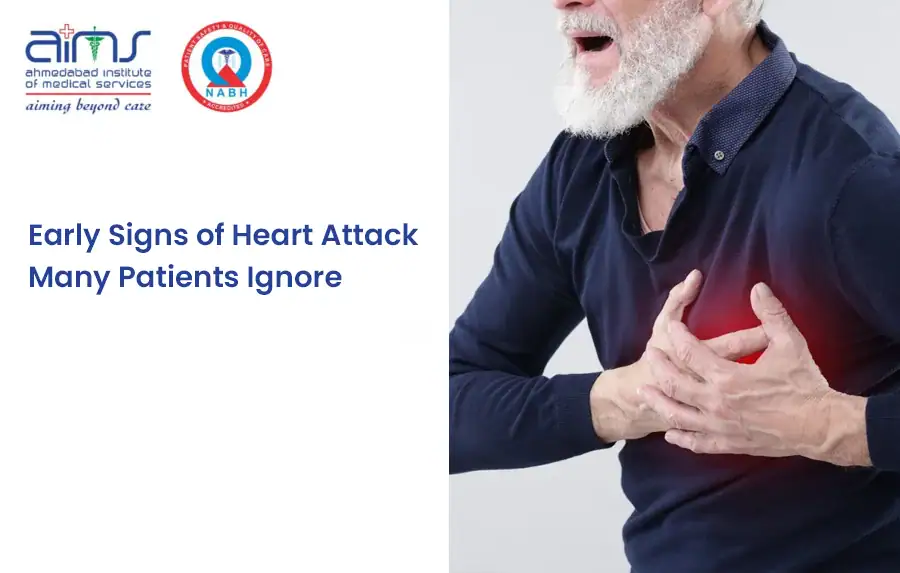
We’ve all seen the Hollywood version of a heart attack: a character suddenly gasps, clutches their chest with both hands, and collapses to the floor. While that can happen, the reality in 2026 is often much quieter and more deceptive. In many cases, the heart sends out “whispers” long before it screams. Unfortunately, because these signs are subtle, many people brush them off as age, stress, or a simple case of indigestion.
Recognizing these early warning signs isn’t just about being cautious; it’s about saving your own life. When you catch a cardiac event in its “soft” stage, you prevent permanent damage to the heart muscle. Having the support of a reliable multispeciality hospital in Ahmedabad ensures that if those whispers start, you have the expert diagnostic tools and emergency care ready to intervene immediately.
The Subtle Physical Red Flags
The human body is an incredible communicator, but we have to learn its language. Heart distress doesn’t always start with pain; it often starts with a change in how your body handles its daily energy and rhythm.
Unexplained Fatigue and Exhaustion
If you suddenly find yourself too tired to finish your usual evening walk or feel “crushed” by fatigue after a standard day at the office, pay attention. This isn’t just “being busy.” When the heart struggles to pump blood effectively, it prioritizes vital organs, leaving your muscles feeling drained. Research suggests that nearly 50% of women experience unusual fatigue weeks before a major cardiac event. If you are feeling chronically wiped out, it might be time to schedule a comprehensive health checkup in Ahmedabad to look at your cardiovascular markers.
Discomfort Beyond the Chest
Pain from the heart doesn’t always stay in the chest. Because of the way our nerves are bundled, the brain can get “confused” about where the pain is coming from. This is called referred pain. You might feel a dull, persistent ache in your jaw, a tight sensation in your neck, or even pain between your shoulder blades. Many patients mistake this for a dental issue or a pulled muscle. If the discomfort is new and doesn’t go away with rest, don’t ignore it.
Persistent Indigestion and Nausea
The “heartburn” trap is perhaps the most dangerous deception. Because the lower part of the heart rests near the diaphragm and stomach, a heart attack can feel exactly like severe acid reflux or indigestion. If you have a “heavy” feeling in your stomach accompanied by a cold sweat or nausea, especially if you haven’t eaten anything unusual, don’t reach for an antacid. Reach for medical help.
Overlooked Symptoms and Secondary Indicators
Occasionally the heart shows its struggle in the systems that we would not necessarily equate with the chest. The marks are there, as you know where to find them, from your breath to your skin.
Unusual Swelling and Joint Sensitivity
Edema is caused by poor circulation. If your socks are leaving deep indentations in your ankles or your shoes feel tight by midday, it’s a sign that your heart isn’t circulating blood effectively. Interestingly, people often visit an arthroscopy surgeon in Ahmedabad for what they think is joint pain in the knees or ankles, only to find that the underlying issue is actually vascular inflammation or circulatory pressure.
Skin Changes and Stress Manifestations
Your skin is a window into your internal health. A slight bluish or grayish tint to the lips or fingernails (cyanosis) indicates that your blood isn’t carrying enough oxygen. Furthermore, chronic stress often shows up on the skin as breakouts or inflammation. While you might seek out dermatology services in Ahmedabad for the surface issue, these flare-ups can sometimes be the body’s way of signaling high cortisol levels that are putting your heart at risk.
Taking Proactive Steps Toward Prevention
The best way to survive a heart attack is to prevent it from ever happening. In 2026, modern medicine is about responding to the fire before the smoke emerges (i.e., predictive care).
The Power of Routine Screening
Waiting for symptoms is a risky strategy. A routine health checkup in Ahmedabad can identify “silent killers” like high blood pressure and asymptomatic cholesterol buildup. Modern diagnostics like the 2D echo or a stress test can see exactly how your heart is performing under pressure. Knowledge is your best defense; knowing your numbers allows you to make changes while they are still optional.
Knowing When to Act Fast
In cardiology, “Time is muscle.” Every minute you wait during a cardiac event, more heart tissue is at risk. The first 60 minutes are known as the “Golden Hour.” If you experience any combination of the symptoms mentioned today, don’t wait to see if they pass. Ensure you know the route to the nearest multispecialty hospital in Ahmedabad and have the number of a 24/7 hospital near me saved on your phone.
Conclusion
A heart attack does not necessarily go out with a bang. It begins more frequently with a strange feeling of tiredness, a case of stomachache that will not clear, or a funny aching in the jaw. With these minor red flags and regular screenings, you are putting your health story in your hands.
Your heart works 24/7 for you; the least you can do is listen when it tries to tell you something is wrong. Trust your intuition; it’s better to have a “false alarm” at the hospital than to ignore a real one at home.
Are you or a loved one currently experiencing any of these “quiet” symptoms, or is it perhaps time to finally book that overdue wellness check?