Tag: health check up in Ahmedabad

Clinic vs. Multispeciality Hospital
Multispeciality Hospital

Clinic vs. Multispeciality Hospital: Which One Should You Choose?

Just imagine that you wake up with a nagging fever, a painful ache in your chest, or even a cough that just won’t stop. You are about to visit a doctor, but here is the dilemma. Were you to visit that little, old-time clinic at the end of your block, or was it the large, shiny multispecialty hospital across the street? It is among the most frequent questions as a patient in the current healthcare environment. Although both buildings serve an essential purpose in ensuring that we stay healthy, the choice as to which building is better is not always determined by the size or the cost of the building. It is all about the fit of your particular medical requirements, your finances, and the exigency of your position to the appropriate setting. We will divide the differences to enable you to make a decisive move on the health of your family. Understanding the Clinic: Your Neighborhood First Responder A clinic is an outpatient facility, which is usually concerned with primary care and attention to individuals. Consider it to be the front line of the medical world. 1. What Defines a Clinic? Clinics are mainly specialized in OPD (Outpatient Department). This involves going there, seeing a doctor, obtaining a prescription or a fast treatment, and walking home. They are typically operated by a general doctor or by one doctor, e.g., a pediatrician, a dentist, or a gynecologist. Since they work on a small scale, they provide low wait times and a family-doctor atmosphere that is difficult to find in large institutions. 2. When to Choose a Clinic Common Sicknesses: A clinic is the best place when it comes to common colds, seasonal flu, minor skin rashes, or stomach upsets. Preventive Care: In case of having a general health check-up, school vaccination, or regular blood pressure checking, the clinic is the one that offers both speed and convenience. Follow-up Visits: In case you are in need of a quick check-in or a prescription refill after having a significant treatment done, the clinic saves you the frustration of going through the large hospital. The Multispeciality Hospital: The All-in-One Medical Powerhouse A multispecialty hospital is an organization of large size and is structured to offer all-around care in different medical disciplines. It is practically a city of health, where each of the floors can be made to be a specialty. 1. What Sets It Apart? A multispecialty hospital is characterized by interdisciplinary expertise. In the same building, you can get cardiologists, neurologists, orthopedists, and nephrologists. These hospitals are inpatient, unlike the clinics, since they have beds where patients can spend the night, state-of-the-art operating theaters, and intensive care units (ICUs). They are also equipped with advanced diagnostic equipment such as MRI and CT scans, which many clinics just cannot afford to fit into the facility. 2. When to Choose a Multispeciality Hospital Emergencies: In case of chest pain, major injuries, and acute neurologic symptoms such as numbness or slurred speech, you should not visit the clinic but go directly to a hospital. Complex Conditions: In a situation where one symptom may be related to more than one organ, such as the heart or kidney complications associated with diabetes, the hospital enables various specialists to work on your case. Surgical Requirements: The surgery must be done in a hospital environment that involves anesthetics, a sterilized operating room, or post-operative care. The Hidden Benefits of Multispeciality Care Multispecialty hospitals are considered the gold standard of complex care, and there is a reason why. The greatest strength comes in the form of the one-stop shop experience. You are able to get your blood tests, take an X-ray, and visit two different specialists all within the same building in the morning. In addition, the smooth referral system is a savior. In case your general doctor at the hospital notices something wrong with your heart during a regular check-up, the cardiologist is no more than a ride on the elevator, and your digital records are already on his desk. Finally, and most importantly, to those who are financially conscious, most large hospitals have also formed tie-ups with major insurance providers (TPAs) of cashless facilities, which most small, privately owned clinics are unable to provide. Why Clinics Still Win for Daily Health The size of a hospital should not make you believe that the clinics are becoming a thing of the past. A clinic is the better option in 80% of our health requirements. The economic feasibility cannot be overestimated; why pay an extra charge on the level of the hospital administration just to receive a simple viral fever? There are also clinics that are very well available, which are normally found in residential areas that are within walking distance. Above all, clinics usually do not work with such critical illness. You are sharing waiting rooms with highly ill people in a large hospital. This may expose you to hospital-acquired infections. In a clinic, the surroundings are usually less controlled and less heavy with germs. The Hybrid Reality: How to Balance Both The wisest idea to work in the healthcare of 2026 is to integrate the two facilities into one entire ecosystem. Imagine it is the Referral Loop. Begin with your favorite local clinic with any health issue. No one knows your history more than your family doctor. In case they issue a red flag or suspect that your health demands the attention of a specialist, they will refer you to a multispecialty hospital. After your major treatment or surgery at the hospital, you will be able to visit your local clinic to monitor and check your vitals. This shared care model will make sure that you receive high-end expertise when needed but at the same time receive personalized and affordable care in the long run. Conclusion The clinic and the multispecialty hospital cannot be said to be better than each other in a vacuum at the end of the day. They both are key health tools in your toolkit. You have found a clinic that offers speed, low prices, personalized relations, and maintenance of your health with a regular checkup. Select a hospital with multiple specialties to find the necessary level of accuracy in diagnostics, complex surgical operations, emergency care, and holistic treatment with a variety of specialists. Knowing the advantages of both, you can make sure that you receive the appropriate care at the appropriate time and do not spend too much on it or sacrifice safety.
Posted by Aims Hospital
Common Heart Tests Recommended by Cardiologists
Cardiologist

Common Heart Tests Recommended by Cardiologists

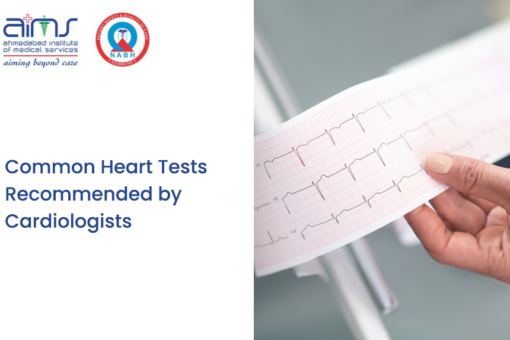
Heart disease is one of the leading causes of health complications worldwide. Early detection and proper diagnosis play a vital role in preventing serious cardiac problems. Cardiologists rely on several diagnostic tests to understand how well the heart is functioning, detect abnormalities, and determine the most effective treatment plan. Heart tests are designed to evaluate different aspects of cardiovascular health, including heart rhythm, blood flow, structural issues, and the presence of blockages in arteries. These tests help doctors identify conditions such as coronary artery disease, arrhythmias, heart valve disorders, and heart failure. This article explains the most common heart tests recommended by cardiologists, how they work, and why they are important for maintaining a healthy heart. Why Heart Tests Are Important The heart is a vital and intricate organ responsible for circulating blood throughout the body. When it does not function properly, it can affect every organ system. Unfortunately, many heart conditions develop silently and may not show symptoms in the early stages. Heart tests help doctors: Detect heart disease at an early stage Identify blocked or narrowed arteries Evaluate irregular heart rhythms Monitor heart health in patients with existing conditions Assess risk factors such as high blood pressure or cholesterol Early diagnosis allows doctors to begin treatment sooner, which can significantly reduce the risk of heart attacks, strokes, and other serious complications. 1. Electrocardiogram (ECG or EKG) An Electrocardiogram (ECG) is one of the most commonly performed heart tests. It measures the electrical activity of the heart and records it as a graph. How the Test Works Small sensors called electrodes are attached to the chest, arms care, and legs. These sensors detect electrical signals produced by the heart as it beats. The signals are recorded on a machine that displays the heart’s rhythm and activity. What It Detects An ECG can help identify: Irregular heart rhythms (arrhythmias) Signs of a previous heart attack Poor blood flow to the heart Heart muscle abnormalities Effects of certain medications When Doctors Recommend It Cardiologists may recommend an ECG if a patient experiences symptoms such as chest pain, dizziness, palpitations, or shortness of breath. It is also commonly used during routine heart health checkups. 2. Echocardiogram An  is an ultrasound test that creates detailed images of the heart. It allows doctors to see how the heart chambers and valves function. How the Test Works The test uses sound waves to create moving images of the heart. A handheld device called a transducer is placed on the chest to send and receive ultrasound waves. What It Detects An echocardiogram helps doctors evaluate: Heart chamber size and structure Heart valve function Blood flow through the heart Heart muscle strength Congenital heart defects Benefits of the Test This test is painless, non-invasive, and provides valuable information about the heart’s pumping ability. 3. Stress Test (Exercise Stress Test) A stress test measures how well the heart works during physical activity. Exercise increases the heart’s workload, which helps doctors identify problems that may not appear when the body is at rest. How the Test Works During a stress test, the patient walks on a treadmill or pedals a stationary bicycle while connected to an ECG machine. The doctor monitors heart rate, blood pressure, and breathing during exercise. What It Detects Stress tests can identify: Blocked coronary arteries Reduced blood flow to the heart Exercise-induced heart rhythm problems Effectiveness of heart treatments Who Needs This Test Doctors often recommend stress tests for people who experience chest discomfort during physical activity or those with risk factors for coronary artery disease. 4. Holter Monitor A Holter monitor is a portable electrocardiogram (ECG) device that continuously records the electrical activity of the heart for a period of 24 to 48 hours. How the Test Works Patients wear a small recording device attached to electrodes placed on the chest. The monitor records heart activity while the patient performs normal daily activities. What It Detects Holter monitoring is useful for detecting: Intermittent arrhythmias Unexplained fainting or dizziness Palpitations that occur occasionally Heart rhythm abnormalities that do not appear during a short ECG test Advantages Because it records heart activity for an extended period, the Holter monitor can detect irregular heart rhythms that may not occur during a routine ECG. 5. Cardiac CT Scan A cardiac CT scan uses advanced imaging technology to create detailed pictures of the heart and blood vessels. How the Test Works The test uses X-rays and computer technology to produce cross-sectional images of the heart. In some cases, contrast dye is injected to improve visibility of the coronary arteries. What It Detects Cardiac CT scans can identify: Calcium deposits in arteries Blockages in coronary arteries Structural heart abnormalities Aortic disease Why It Is Important This test helps cardiologists evaluate the risk of coronary artery disease and determine whether further treatment is required. 6. Cardiac MRI A cardiac MRI (Magnetic Resonance Imaging) provides highly detailed images of the heart using magnetic fields and radio waves. How the Test Works Patients lie inside a scanning machine that captures high-resolution images of the heart and surrounding structures. What It Detects Cardiac MRI can diagnose: Heart muscle damage Inflammation of the heart Structural abnormalities Congenital heart conditions Advantages This test provides extremely detailed images and helps doctors evaluate heart tissue and blood flow more accurately. 7. Coronary Angiography Coronary angiography is an advanced diagnostic procedure used to examine blood flow through the coronary arteries. How the Test Works A thin tube called a catheter is inserted into a blood vessel, usually in the wrist or groin, and guided toward the heart. A contrast dye is injected, and X-ray images are taken to observe blood flow. What It Detects This test can identify: Blocked or narrowed coronary arteries Blood clots in arteries Coronary artery disease severity Why It Is Important Coronary angiography is often used when doctors suspect severe blockages that may require treatments such as angioplasty or stent placement. 8. Blood Tests for Heart Health In addition to imaging and monitoring tests, cardiologists often recommend blood tests to evaluate heart health. Important Heart-Related Blood Tests Cholesterol Test Measures levels of LDL (bad cholesterol), HDL (good cholesterol), and triglycerides. Troponin Test Detects proteins released into the blood after heart muscle damage. C-reactive Protein Test Measures inflammation in the body that may increase heart disease risk. BNP Test Helps diagnose heart failure. These blood tests provide valuable insights into cardiovascular risk factors and ongoing heart conditions. Who Should Get Heart Tests? Cardiologists may recommend heart tests for individuals with certain symptoms or risk factors. Common Symptoms That Require Heart Testing Chest pain or pressure Shortness of breath Irregular heartbeat Dizziness or fainting Unexplained fatigue Risk Factors for Heart Disease High blood pressure High cholesterol Diabetes Smoking Obesity Family history of heart disease Sedentary lifestyle People with these risk factors should undergo regular heart checkups to monitor their cardiovascular health. Importance of Regular Heart Screening Many heart conditions develop gradually and may not cause noticeable symptoms until they become serious. Regular heart screenings help detect problems early and allow doctors to take preventive measures. Lifestyle changes such as healthy eating, regular exercise, and stress management can significantly reduce the risk of heart disease when combined with proper medical monitoring. Conclusion Heart health is essential for overall well-being, and early detection of cardiovascular problems can save lives. Cardiologists use a variety of diagnostic tests to evaluate heart function, detect diseases, and monitor treatment effectiveness. Common heart tests such as ECG, echocardiograms, stress tests, Holter monitoring, CT scans, MRIs, and angiography provide valuable information about the heart’s condition. These tests help doctors diagnose heart problems accurately and develop personalized treatment plans. If you experience symptoms such as chest pain, irregular heartbeat, or shortness of breath, it is important to consult a cardiologist and undergo appropriate heart testing. Regular screenings and timely diagnosis can help prevent serious complications and ensure long-term heart health.
Posted by Aims Hospital
Radiologist
Interventional Radiologist

Role of a Radiologist in Accurate Diagnosis & Treatment Planning

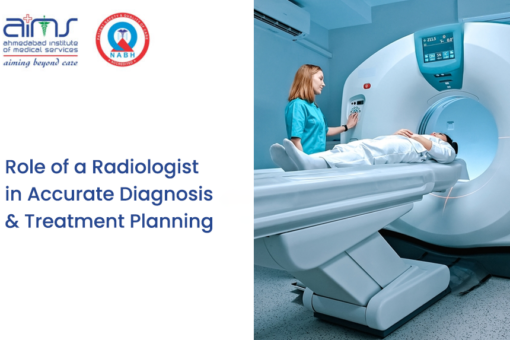
We would imagine a life-saving medical intervention and immediately come to picture a doctor operating in the light or an emergency doctor making decisions in a split second. But behind virtually every great medical success tale is a practitioner who does not see the limelight: the radiologist. The role of a radiologist has changed in the contemporary healthcare system of 2026, where the responsibility to read X-rays has changed to being a primary consultant in proper diagnosis and planning of treatment. They are the care designers and present the plan on which all other care is designed. Doctors would be moving around the human body blindly without them. Who is who? Radiologists vs. Radiologic Technologists It is good to clarify a misconception to see why the radiologist is important. It is the person who works on the large MRI or CT machine who has much interaction with many patients. That specialist is the radiologic technologist. Imagine it were a film production of high quality: The technologist is the cinematographer. They are the specialists in technology, positioning the patient, and recording the best quality footage whilst keeping him safe and comfortable. The director and the head analyst is the radiologist. They are medical doctors (MDs) who have gone through more than ten years of training in order to decipher that footage. They do not simply see a picture; they interpret complicated data into a conclusive medical report that determines the further actions of a patient. How Radiologists Ensure a High Degree of Diagnostic Accuracy The road to recovery starts with a solution. The difference between a specific cure and a hazardous delay is an accurate diagnosis. Radiology is a process in which radiologists combine clinical skills and technology to do it. Seeing the Unseen Radiologists identify those issues that cannot be seen in a physical examination, including micro-fractures, small tumors or vascular blockages. With the help of the latest modalities such as 3 and 4D imaging they are able to view the human body in sections and observe the appearance of an organ not only in its appearance, but the most significant thing is that it helps to see how an organ works as it is. The Integration of AI as a “Co-Pilot” Augmented intelligence has transformed the field in the year 2026. The algorithms of AI are now considered a kind of digital safety net, examining thousands of images at once to identify an emergency, such as a stroke or a pulmonary embolism. This does not mean that the doctor will be relieved of his position, just that the radiologist will be able to use his human skills on the extremely complicated cases and the AI will take the responsibility of triaging the high number. Snippet Case Study: Evidence captured in the last couple of years reveals that in situations where radiologists collaborate with artificial intelligence, the rates of early-stage breast cancer detection have gone up substantially, with one identifying the so-called minimal sign cancers that would have been unnoticed ten years ago. The Art of Differential Diagnosis. When you see a spot on a lung scan it does not necessarily mean you have a tumor. It may be an old scar, infection and an innocent cyst. A radiologist applies the term of differentiating diagnosis to eliminate possibilities on the basis of density, blood circulation pattern and the medical history of a patient. This accuracy will save the patient from needless surgeries and guarantee the patient is treated accordingly at the start. Moving Beyond the Image: Radiologists in Treatment Planning The work of a radiologist is not over when the report has been signed. They are engaged in multidisciplinary teams (MDTs), which include oncologists, surgeons, and cardiologists to strategize the “attack” as well. The Roadmap for Surgery A surgeon examines the 3D reconstructions of the radiologist before he makes the first incision. In complicated operations, like heart valves replacement or brain tumor rejection, these pictures serve as a rehearsal. They demonstrate the position of important nerves and blood vessels precisely, which minimizes the chances of complications. Interventional Radiology: The Game Changer One of the most adventurous developments is, possibly, Interventional Radiology (IR). These experts do not diagnose only; they treat. IRs can use real-time imaging to use tiny catheters and needles to: Ablate tumors: Open surgery Freezes or burns a tumor. Do Angioplasty: Opening the blocked arteries with the help of little balloons and stents. Embolization: The removal of blood flow to a fibroid or a tumor so as to reduce its size. These surgeries can take a minute-long incision in the skin and the patient could be sent home the same day which is a far better thing than the weeks of healing that traditional surgeries have them spending. Why You Should Care Who Reads Your Scans? Under the new teleradiology you could find yourself having your scans read by a doctor hundreds of miles away. Although this enhances access, the experience on the other side of that screen is important. There is a sub-specialization known as sub-specialized radiology; the sub-specialist becomes specialized in either the brain (neuroradiology), children (pediatric radiology), or the heart (cardiovascular radiology). When a radiologist makes a quality report, he is not merely stating a problem, but is giving a prognosis and a road to health. Conclusion The role of a radiologist is to provide a solution to a symptom. They will combine the strength of high-technology equipment and the wisdom of medical intuition to make sure that proper diagnosis and treatment planning is not only a dream but a reality of each patient. Whenever you are presented with a medical report next time, keep in mind the specialist who did it behind the scenes so that no one could see what he could not. The recovery of yours is based on their insight.
Posted by Aims Hospital
Arthroscopy Surgery Explained
arthroscopy surgeon

Arthroscopy Surgery Explained: Procedure, Benefits, and Recovery Guide

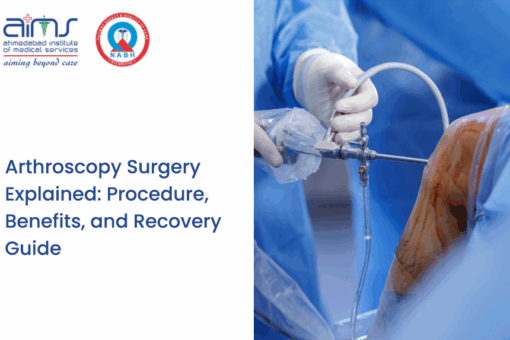
Joint pain may gradually be influencing daily life activities such as climbing stairs to picking up groceries. Some individuals in Ahmedabad with pain in the knee, shoulder, or ankle usually seek ways of getting the least invasive and most reliable information to enable them to make an informed decision before they check out an arthroscopy surgeon in Ahmedabad. The use of arthroscopy has also emerged as one of the most widely used methods of diagnosing and treating joint complications due to its accuracy, reduced incisions, and quick recovery. What Is Arthroscopy Surgery? Arthroscopy is a simple surgery, which involves a minimally invasive method of diagnosing and treating joint-related disorders. Surgeons do not cut a large opening; rather, they place a small camera inside the joint known as an arthroscope using a small opening. This gives a clear insider picture of the joint on a screen that assists the surgeons to identify and treat the problems with high precision. Common Conditions Treated Through Arthroscopy Meniscus tears ACL injuries Shoulder rotator cuff tears Cartilage damage Loose bone fragments Constant inflammation of the joints. Arthroscopy is also very common in the major medical centers, including the advanced medical institutions like AIIMS Hospital in Gujarat, which have standardized international procedures to carry out the joint surgeries. How the Arthroscopy Procedure Works 1. Pre-Surgery Evaluation A thorough examination is done which might involve X-rays, MRI and a general health check up in Ahmedabad to ascertain the fitness of the patient to undergo anesthesia and surgery. 2. During the Procedure The affected joint is surrounded by small (typically 0.5-1 cm) incisions. The arthroscope has to be introduced so as to see inside the joint. Microsurgical tools are utilized in repairing or removing damaged tissues. This process normally takes 30 minutes to 2 hours depending on the complexity. Post-Surgery Monitoring Patients are followed in the short term after surgery in case they have a reaction. Arthroscopy can be arranged in case of accidental traumas, when the emergency trauma center needs to stabilize the patient as quickly as possible. Benefits of Arthroscopy Surgery Minimally Invasive Approach Small cuts imply much less damage to tissues, scarring, and after-operative pain. Faster Recovery The majority of the patients get back to light activities in days to weeks, depending on the joint and the kind of repair. Lower Risk of Infection The smaller cuts decrease the chances of infection as compared to the open surgery. High Diagnostic Accuracy Arthroscopy is in close proximity to the joint, has high magnification, and allows a direct diagnosis and correction. Flexibility over a variety of joints. It works well on knees, shoulders, wrists, ankles, elbows, and hips. Recovery Guide After Arthroscopy 1. Rest and Joint Protection The initial days should be spent without much movement. Weight-bearing joints may be advised to have crutches or braces. 2. Pain and Swelling Control Pain is managed with the help of ice packs and medication. The elevation of the leg helps to decrease swelling as well. 3. Physiotherapy Easy stretches are important to exercises to strengthen the body, which is essential to recovery in the long run. 4. Skin and Incision Care Patients with sensitive skin can consult the professionals of dermatology in Ahmedabad in case they are irritated upon bandaged places. 5. Follow-Up Checkups Frequent visits will make sure that the healing process is right and that the mobility is enhanced. Wrap up! Arthroscopy is still undergoing innovation in terms of high-quality imaging, precision of instruments, and better operations. It is true whether it is sports injuries or joint issues due to age. Knowing the process and the recovery enables patients to make informed decisions and have realistic expectations about their healing process.
Posted by Aims Hospital
Type 2 Diabetes Treatment Guide: Expert Advice for Better Control
Diabetes Treatment

Type 2 Diabetes Treatment Guide: Expert Advice for Better Control

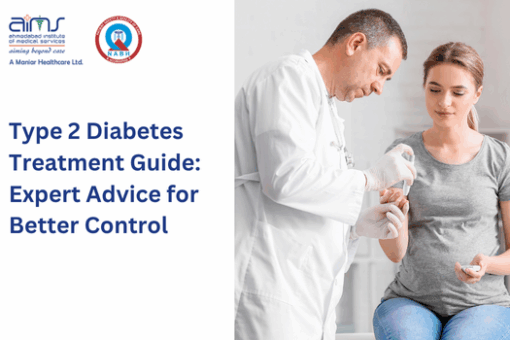
Being told that you have type 2 diabetes can feel really overwhelming. You might be wondering what now or will you have to give up all the foods you love? A lot of people live full healthy lives with type 2 diabetes. If you are looking for the best type 2 diabetes treatment it’s time for you to connect with a diabetologist in Ahmedabad. What is type 2 diabetes? Before you go for a health check up in Ahmedabad it’s very important for you to understand the basics. Type 2 diabetes is a chronic condition that impacts sugar in the body. But with type 2 diabetes your body doesn’t make enough insulin or cannot use insulin properly. As a result sugar starts building up in your blood which can lead to severe health issues with time like heart disease kidney disease nerve damage and vision problems. The main goal of the treatment Experts at emergency trauma centers can actually help you with lowering your blood sugar levels or improving insulin use in your body. This will help in preventing complications and also help you feel your best everyday. Treatment goes way beyond just medicine; it’s all about your daily habits, support and consistency. Lifestyle changes Whether you believe it or not, what you eat, how much you move and how you handle stress can make a big difference. You need to eat more fiber whole grains vegetables fruits legumes as this will help you control the blood sugar. You can choose lean proteins like fish, chicken tofu and beans. Cut down on sweets, sugary drinks and white bread. Watch your portion sizes because too much healthy food can still spike your blood sugar.  Exercise helps your body use insulin better and lowers your blood sugar. You must aim for at least 30 minutes of activity every day. Walking, dancing , cycling or swimming all count. Even doing housework or gardening helps. Exercise also helps with weight loss, energy levels and stress. Stress can completely increase your blood sugar levels, which is strange but it’s true. When you are stressed your body produces hormones that make it challenging for insulin to work. Getting enough sleep also helps your body function better. Medication Sometimes lifestyle changes alone are not enough especially if your blood sugar is very high. That’s when doctors at a multi-speciality hospital near me considered prescribing medications. You must talk to your doctor if you have side effects.  Monitoring your blood sugar You can use glucometer, a small device that checks your blood sugar with a finger prick. wearable device that tracks sugar levels all day. Blood tests like HB A1C show your average sugar levels over the past two to three months. You need to ask your doctor how often you should check and what your target numbers should be. Watch out for complications High blood sugar over time can damage your body. That’s why early action and regular body checkup in Ahmedabad is really important. You must keep an eye on your feet, check daily for cut swelling or numbness, get an early eye exam to prevent damage and also have your urine and blood tested regularly for let me check up. Monitor your blood pressure or cholesterol. The good news? Many complications can be prevented or delayed with proper care. In short type 2 diabetes might be a lifelong condition but it doesn’t have to control your life. With the right habits, support and treatment plan you can feel better, stay active and prevent serious health issues. Just remember small daily choices add up to big, long term results. Connect with experts at AIIMS now.
Posted by Aims Hospital