

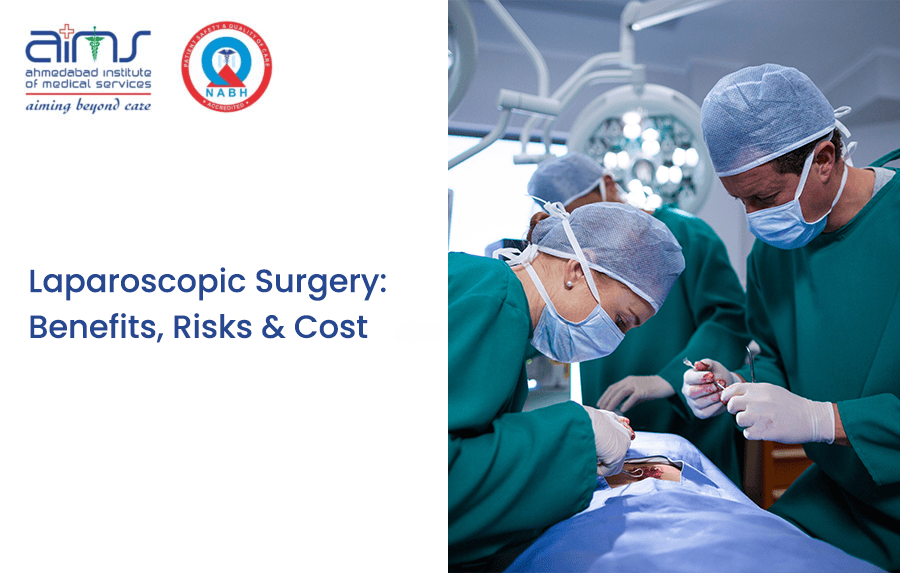
Modern medicine has transformed the way surgeries are performed. Many procedures that once required large incisions and long hospital stays can now be completed using minimally invasive techniques. One of the biggest advancements in this field is laparoscopic surgery, often called “keyhole surgery.”
Patients today prefer laparoscopic procedures because they usually involve less pain, smaller scars, quicker recovery, and a shorter hospital stay. However, like any surgical procedure, it is important to understand its benefits, possible risks, costs, and whether it is the right option for your condition.
In this guide, we’ll explain everything you need to know about Laparoscopic Surgery benefits, including how the procedure works, the conditions it treats, recovery tips, possible complications, and factors that affect the overall cost.
What Is Laparoscopic Surgery?
Laparoscopic surgery is a minimally invasive surgical technique that allows doctors to perform operations through a few very small incisions instead of one large cut.
During the procedure, the surgeon inserts a thin tube called a laparoscope through a small incision. The laparoscope has a tiny camera and light source that display high-definition images on a monitor, helping the surgeon perform the operation with precision.
Specialized surgical instruments are inserted through additional small incisions to complete the procedure.
This advanced approach has become the preferred choice for many abdominal and pelvic surgeries because it reduces tissue damage and supports faster healing.
How Does Laparoscopic Surgery Work?
The procedure generally follows these steps:
- The patient receives general anesthesia.
- Small incisions are made in the treatment area.
- Carbon dioxide gas is used to gently inflate the abdomen, creating space for better visibility.
- A laparoscope is inserted to provide a clear view of the internal organs.
- Surgical instruments are introduced through other small incisions.
- The surgeon completes the operation while viewing the images on a monitor.
- The instruments are removed, and the small incisions are closed with stitches or surgical glue.
Most laparoscopic procedures take between 30 minutes and several hours, depending on the complexity of the surgery.
Conditions Treated with Laparoscopic Surgery
Laparoscopic surgery is used to diagnose and treat many medical conditions.
Common procedures include:
- Gallbladder removal (cholecystectomy)
- Appendix removal
- Hernia repair
- Colon surgery
- Weight loss (bariatric) surgery
- Gynecological surgeries
- Ovarian cyst removal
- Endometriosis treatment
- Fibroid removal
- Kidney surgeries
- Liver procedures
- Diagnostic abdominal surgery
As surgical technology continues to improve, even more complex procedures are being performed laparoscopically.
Laparoscopic Surgery Benefits
The growing popularity of minimally invasive procedures is largely due to the many Laparoscopic Surgery benefits for patients.
1. Smaller Incisions
Instead of one large surgical cut, laparoscopic surgery uses tiny incisions, resulting in less damage to the surrounding tissues.
2. Less Pain After Surgery
Because muscles and tissues experience less trauma, patients generally report less postoperative pain compared to traditional open surgery.
This often reduces the need for strong pain medications.
3. Faster Recovery
Most patients recover more quickly after laparoscopic surgery.
Many people can:
- Walk sooner
- Return home earlier
- Resume normal activities faster
- Return to work within a shorter period
Recovery time depends on the type of surgery and the patient’s overall health.
4. Minimal Scarring
Small incisions leave much smaller scars, making this technique cosmetically appealing for many patients.
5. Reduced Blood Loss
The precision of laparoscopic instruments helps minimize bleeding during surgery.
6. Lower Risk of Infection
Smaller wounds reduce the chance of postoperative wound infections.
7. Shorter Hospital Stay
Many laparoscopic procedures are completed as day-care surgeries or require only one or two days in the hospital.
8. Faster Return to Daily Life
Patients often regain independence sooner because mobility improves quickly after surgery.
9. Better Surgical Precision
The magnified camera view allows surgeons to see delicate structures clearly, improving surgical accuracy.
10. Improved Patient Satisfaction
Less pain, smaller scars, and faster recovery contribute to higher patient satisfaction compared to many traditional surgical approaches.
Is Everyone a Candidate for Laparoscopic Surgery?
Although laparoscopic surgery offers many advantages, it may not be suitable for everyone.
Factors that influence eligibility include:
- Overall health
- Previous abdominal surgeries
- Severe obesity
- Extensive internal scar tissue
- Emergency medical conditions
- Advanced infections
- Certain complex cancers
Your surgeon will evaluate your medical history and determine the safest treatment option.
Risks of Laparoscopic Surgery
Although laparoscopic surgery is generally considered safe, every surgical procedure carries some risks.
Possible complications include:
- Bleeding
- Infection
- Blood clots
- Reaction to anesthesia
- Injury to nearby organs
- Leakage from repaired organs
- Hernia at incision sites
- Temporary shoulder pain caused by carbon dioxide gas
- Need to convert to open surgery if necessary
Fortunately, serious complications are uncommon when the procedure is performed by experienced surgeons.
Preparing for Laparoscopic Surgery
Proper preparation helps improve surgical outcomes.
Your doctor may recommend:
- Blood tests
- Imaging studies
- ECG if needed
- Medication review
- Fasting before surgery
- Avoiding smoking
- Stopping certain blood-thinning medications under medical supervision
Always follow your surgeon’s instructions carefully.
Recovery After Laparoscopic Surgery
Recovery is generally quicker than with open surgery.
Most patients experience:
- Mild soreness
- Fatigue for a few days
- Minor swelling
- Temporary shoulder discomfort
Recovery tips include:
Walk Early
Light walking improves blood circulation and reduces the risk of blood clots.
Eat Light Meals
Start with liquids and gradually return to a balanced diet.
Keep Incisions Clean
Follow wound care instructions carefully to prevent infection.
Avoid Heavy Lifting
Your surgeon will advise when normal physical activities can be resumed.
Attend Follow-Up Visits
Regular follow-up appointments help ensure proper healing.
What Is the Cost of Laparoscopic Surgery?
The cost of laparoscopic surgery varies depending on several factors.
These include:
- Type of surgery
- Hospital facilities
- Surgeon’s experience
- Medical condition
- Diagnostic tests
- Hospital stay
- Anesthesia charges
- Medicines
- Insurance coverage
Simple laparoscopic procedures generally cost less than complex surgeries requiring specialized equipment or longer hospital stays.
Patients should request a detailed cost estimate before surgery to understand all expected expenses.
Factors That Affect Surgical Success
Several factors influence successful outcomes.
These include:
- Early diagnosis
- Skilled surgical team
- Modern operation theatre equipment
- Proper patient preparation
- Following postoperative instructions
- Good nutrition
- Managing chronic illnesses
- Regular follow-up care
Choosing an experienced healthcare team significantly improves safety and recovery.
Lifestyle Tips After Surgery
Healthy habits help speed recovery and reduce future health problems.
Patients are encouraged to:
- Eat nutritious meals
- Stay hydrated
- Walk regularly
- Avoid smoking
- Limit alcohol
- Sleep adequately
- Maintain a healthy weight
- Follow medication schedules
Good lifestyle choices also help Protect Kidney Health, especially after procedures requiring medications or anesthesia.
Why Choose an Experienced Hospital?
The quality of the hospital plays an important role in surgical outcomes.
A well-equipped multi-speciality hospital in Ahmedabad offers access to experienced surgeons, anesthesiologists, intensive care specialists, advanced operation theatres, and comprehensive postoperative care under one roof.
For patients seeking advanced Laparoscopic Surgery in Ahmedabad, choosing a center with modern technology and a skilled surgical team can improve safety, reduce complications, and support faster recovery.
In certain situations, patients with complex medical conditions, including kidney disorders, may require specialized care at a trusted Kidney Transplant Hospital in Ahmedabad, where multidisciplinary teams work together to manage both surgical and medical needs.
For planned procedures, a routine health check up in Ahmedabad can help identify underlying conditions such as diabetes, hypertension, or heart disease that may affect surgical planning and recovery.
Although laparoscopic procedures are usually elective, hospitals with a dedicated Emergency & Trauma Center are well-equipped to manage unexpected surgical emergencies and provide immediate critical care if required.
Conclusion
Laparoscopic surgery has revolutionized modern healthcare by making many surgical procedures safer, less painful, and more comfortable for patients. With smaller incisions, faster recovery, reduced blood loss, shorter hospital stays, and improved cosmetic results, it has become the preferred treatment option for a wide range of abdominal and pelvic conditions.
While every surgery carries some risks, choosing an experienced surgeon and a well-equipped hospital greatly improves outcomes. Understanding the procedure, preparing properly, and following postoperative care instructions can make your recovery smoother and help you return to your normal routine sooner.
If your doctor recommends laparoscopic surgery, discuss the expected benefits, possible risks, and treatment costs to make an informed decision that best suits your health needs.
FAQs
1. What is laparoscopic surgery?
Laparoscopic surgery is a minimally invasive procedure performed through small incisions using a camera and specialized surgical instruments.
2. What are the main benefits of laparoscopic surgery?
The main benefits include smaller scars, less pain, quicker recovery, shorter hospital stays, lower infection risk, and faster return to daily activities.
3. Is laparoscopic surgery safe?
Yes. It is generally considered safe when performed by experienced surgeons, although, like any surgery, it carries some risks such as bleeding, infection, or reactions to anesthesia.
4. How long does recovery take after laparoscopic surgery?
Recovery depends on the type of procedure, but many patients resume light activities within a few days and return to normal routines within 2–4 weeks.
5. Is laparoscopic surgery more expensive than open surgery?
The overall cost varies based on the procedure, hospital, surgeon, and length of stay. While equipment costs may be higher, shorter hospital stays and faster recovery can help reduce overall treatment expenses.
