Category: Specialist Doctors

Specialist Doctors
Specialist Doctors

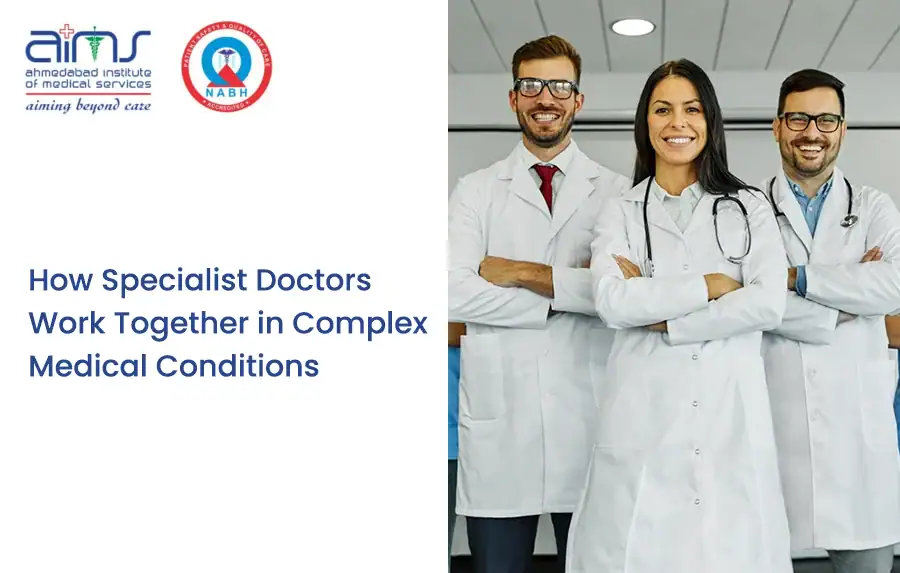
How Specialist Doctors Work Together in Complex Medical Conditions

The traditional healthcare system is no longer a one-doctor and one-view affair. With the change of lifestyles and the increase in the lifespan of people, medical conditions have gotten complicated. Today, a lot of patients have more than one medical problem simultaneously, e.g., joint problems and heart disease, diabetes, or high blood pressure. This is how increasing numbers of people now search for a 24/7 hospital near me not just in case of emergency, but also in case of hospitals where more than one specialist can collaborate. This article describes how specialty doctors work together in a complex medical case, why this teamwork is important, and how it contributes to the safety and superior treatment outcomes. What Are Complex Medical Conditions? A complex medical condition is a medical condition that involves two or more systems of the body or medical expertise that belongs to more than one branch of medicine. Simple Examples of Complex Conditions The patient has heart disease and a knee or shoulder injury. Diabetes has an impact on nerves, joints, and circulation. Surgical trauma cases, cardiac surveillance cases and rehabilitation cases. Why One Doctor Is Often Not Enough Although one specialist might be good with one problem, an intricate condition requires a wider perspective. Only the symptoms may be treated without taking into account other underlying issues, which may also risk complications, slow down the recovery process, or cause its delay. What Does It Mean When Specialist Doctors Work Together? The specialist doctors working collectively would be termed as multidisciplinary or collaborative care. This strategy will make sure that every health issue of a patient is taken into consideration prior to treatment. How Multidisciplinary Care Works The same patient is reviewed by doctors of various specialties. There are sharing of medical reports and test results. Decisions about treatment are done collectively. Common Specialists Involved Orthopedic surgeons Cardiologists General physicians Anesthetists Rehabilitation specialists, physiotherapists. Such collaboration is a guarantee of safe, personalized, and well-planned treatment. The Step-by-Step Collaborative Care Process Step 1: Detailed Evaluation & Diagnosis This process normally starts with a thorough examination, which entails physical, imaging, and laboratory tests. The screening tests, such as the health checkup in Ahmedabad, frequently uncover the latent ailment, such as heart risks or early degeneration of the joints. Step 2: Specialist Consultations In accordance with the results, competent specialists are addressed. Every doctor assesses the patient in his/her field and raises the red flag of any risk. Step 3: Joint Treatment Planning Doctors discuss: What should be treated first? Whether surgery is safe The management of the preexisting medical conditions. Step 4: Continuous Monitoring Once the treatment starts, the progress is periodically reconsidered, and the plans are modified when necessary. This communication is the secret of successful recovery. Real-World Example: Orthopaedic Surgery with Heart Conditions When Joint Pain Meets Heart Disease Heart conditions are also common in many patients that require orthopedic surgery- particularly the elderly. To illustrate, a patient who has to get knee or shoulder surgery might also have high blood pressure or a heart attack. Role of the Cardiologist A cardiologist in Ahmedabad assesses the heart functioning, risks in medication and the general fitness to undergo anesthesia prior to the surgery. This will go a long way in limiting surgical complications. Why This Matters in Arthroscopy Even the minimum surgery done by an arthroscopy surgeon in Ahmedabad needs the cardiac clearance of some patients. Cooperation makes the surgery efficient as well as safe. Why 24/7 Multispeciality Hospitals Are Essential Medical Issues Can Arise Anytime Office hours are not followed by chest pain, infections, trauma or post-surgery complications. The fact that there is a 24/7 hospital close to my residence means that I can access the attention of the appropriate specialist at any given time. Advantages of Round-the-Clock Care Faster emergency decisions On-call specialists Emergency diagnosis and ICU assistance. Such an arrangement is particularly critical among patients who have several health conditions. Role of Preventive Health Checkups in Team-Based Care Why Early Detection Helps Doctors Collaborate Better The preventive checkups detect risks before they develop into an emergency. Diseases such as heart diseases or weariness of joints usually come with no symptoms. Benefits of Regular Health Screening A normal health check exam in Ahmedabad can: Detect heart issues early. Keep track of bone and joint status. Determine other metabolic issues such as diabetes. The initial results enable physicians to be more effective and cautious in the planning of treatments. How Orthopaedic Care Fits into Collaborative Treatment Orthopaedics Is Rarely Isolated Orthopaedic care may typically include: Doctor consultation of health conditions. Preoperative cardiac assessment. Post-treatment Physiotherapy. Arthroscopy as a Team-Driven Procedure Arthroscopy is less invasive and less time consuming and yet coordination between the surgeons, anesthetists and rehabilitation team is essential in achieving the best outcomes. Benefits of Specialist Collaboration for Patients Improved Safety Sharing of decisions will decrease medical and surgical risks. Faster Recovery When physicians plan care, the time taken is minimized, and the therapy begins earlier. Better Long-Term Outcomes The whole patient not the single condition improves the long-term outcomes and results in reduced re-hospitalizations. What Patients Should Look for in a Hospital Patients should check when they are selecting a hospital to treat complex conditions: Access to various in-house experts. 24/7 emergency services Effective communication among physicians. Rehabilitation and diagnostics. Proper questioning also empowers the patients to make safer healthcare decisions. Conclusion Medical complexities require more than treatment in isolation, they require efforts, dialogue, and expertise in specialties. Collaboration among doctors causes patients to obtain safer care, improved recovery periods and long-term health services. To people in need of coordinated care, particularly orthopedic care under the guidance of an experienced arthroscopy surgeon in Ahmedabad, AIMS Care provides a combination of experienced professionals and preventive health services. The facility also offers twenty-four-hour care to facilitate informed choices and overall recovery.
Posted by Aims Hospital