
Heart disease is one of the leading causes of health complications worldwide. Early detection and proper diagnosis play a vital role in preventing serious cardiac problems. Cardiologists rely on several diagnostic tests to understand how well the heart is functioning, detect abnormalities, and determine the most effective treatment plan.
Heart tests are designed to evaluate different aspects of cardiovascular health, including heart rhythm, blood flow, structural issues, and the presence of blockages in arteries. These tests help doctors identify conditions such as coronary artery disease, arrhythmias, heart valve disorders, and heart failure.
This article explains the most common heart tests recommended by cardiologists, how they work, and why they are important for maintaining a healthy heart.
Why Heart Tests Are Important
The heart is a vital and intricate organ responsible for circulating blood throughout the body. When it does not function properly, it can affect every organ system. Unfortunately, many heart conditions develop silently and may not show symptoms in the early stages.
Heart tests help doctors:
- Detect heart disease at an early stage
- Identify blocked or narrowed arteries
- Evaluate irregular heart rhythms
- Monitor heart health in patients with existing conditions
- Assess risk factors such as high blood pressure or cholesterol
Early diagnosis allows doctors to begin treatment sooner, which can significantly reduce the risk of heart attacks, strokes, and other serious complications.
1. Electrocardiogram (ECG or EKG)
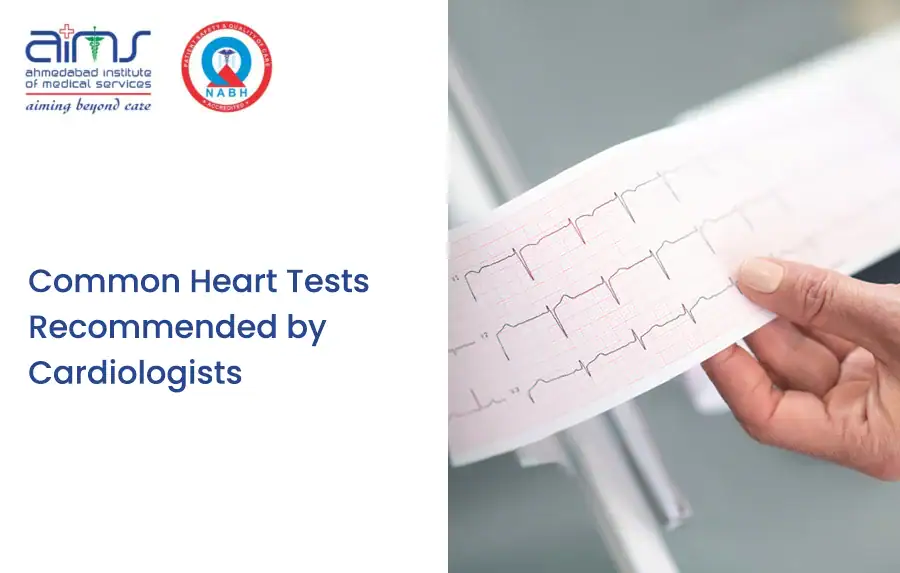
An Electrocardiogram (ECG) is one of the most commonly performed heart tests. It measures the electrical activity of the heart and records it as a graph.
How the Test Works
Small sensors called electrodes are attached to the chest, arms care, and legs. These sensors detect electrical signals produced by the heart as it beats. The signals are recorded on a machine that displays the heart’s rhythm and activity.
What It Detects
An ECG can help identify:
- Irregular heart rhythms (arrhythmias)
- Signs of a previous heart attack
- Poor blood flow to the heart
- Heart muscle abnormalities
- Effects of certain medications
When Doctors Recommend It
Cardiologists may recommend an ECG if a patient experiences symptoms such as chest pain, dizziness, palpitations, or shortness of breath. It is also commonly used during routine heart health checkups.
2. Echocardiogram
An is an ultrasound test that creates detailed images of the heart. It allows doctors to see how the heart chambers and valves function.
How the Test Works
The test uses sound waves to create moving images of the heart. A handheld device called a transducer is placed on the chest to send and receive ultrasound waves.
What It Detects
An echocardiogram helps doctors evaluate:
- Heart chamber size and structure
- Heart valve function
- Blood flow through the heart
- Heart muscle strength
- Congenital heart defects
Benefits of the Test
This test is painless, non-invasive, and provides valuable information about the heart’s pumping ability.
3. Stress Test (Exercise Stress Test)
A stress test measures how well the heart works during physical activity. Exercise increases the heart’s workload, which helps doctors identify problems that may not appear when the body is at rest.
How the Test Works
During a stress test, the patient walks on a treadmill or pedals a stationary bicycle while connected to an ECG machine. The doctor monitors heart rate, blood pressure, and breathing during exercise.
What It Detects
Stress tests can identify:
- Blocked coronary arteries
- Reduced blood flow to the heart
- Exercise-induced heart rhythm problems
- Effectiveness of heart treatments
Who Needs This Test
Doctors often recommend stress tests for people who experience chest discomfort during physical activity or those with risk factors for coronary artery disease.
4. Holter Monitor
A Holter monitor is a portable electrocardiogram (ECG) device that continuously records the electrical activity of the heart for a period of 24 to 48 hours.
How the Test Works
Patients wear a small recording device attached to electrodes placed on the chest. The monitor records heart activity while the patient performs normal daily activities.
What It Detects
Holter monitoring is useful for detecting:
- Intermittent arrhythmias
- Unexplained fainting or dizziness
- Palpitations that occur occasionally
- Heart rhythm abnormalities that do not appear during a short ECG test
Advantages
Because it records heart activity for an extended period, the Holter monitor can detect irregular heart rhythms that may not occur during a routine ECG.
5. Cardiac CT Scan
A cardiac CT scan uses advanced imaging technology to create detailed pictures of the heart and blood vessels.
How the Test Works
The test uses X-rays and computer technology to produce cross-sectional images of the heart. In some cases, contrast dye is injected to improve visibility of the coronary arteries.
What It Detects
Cardiac CT scans can identify:
- Calcium deposits in arteries
- Blockages in coronary arteries
- Structural heart abnormalities
- Aortic disease
Why It Is Important
This test helps cardiologists evaluate the risk of coronary artery disease and determine whether further treatment is required.
6. Cardiac MRI
A cardiac MRI (Magnetic Resonance Imaging) provides highly detailed images of the heart using magnetic fields and radio waves.
How the Test Works
Patients lie inside a scanning machine that captures high-resolution images of the heart and surrounding structures.
What It Detects
Cardiac MRI can diagnose:
- Heart muscle damage
- Inflammation of the heart
- Structural abnormalities
- Congenital heart conditions
Advantages
This test provides extremely detailed images and helps doctors evaluate heart tissue and blood flow more accurately.
7. Coronary Angiography
Coronary angiography is an advanced diagnostic procedure used to examine blood flow through the coronary arteries.
How the Test Works
A thin tube called a catheter is inserted into a blood vessel, usually in the wrist or groin, and guided toward the heart. A contrast dye is injected, and X-ray images are taken to observe blood flow.
What It Detects
This test can identify:
- Blocked or narrowed coronary arteries
- Blood clots in arteries
- Coronary artery disease severity
Why It Is Important
Coronary angiography is often used when doctors suspect severe blockages that may require treatments such as angioplasty or stent placement.
8. Blood Tests for Heart Health
In addition to imaging and monitoring tests, cardiologists often recommend blood tests to evaluate heart health.
Important Heart-Related Blood Tests
Cholesterol Test
Measures levels of LDL (bad cholesterol), HDL (good cholesterol), and triglycerides.
Troponin Test
Detects proteins released into the blood after heart muscle damage.
C-reactive Protein Test
Measures inflammation in the body that may increase heart disease risk.
BNP Test
Helps diagnose heart failure.
These blood tests provide valuable insights into cardiovascular risk factors and ongoing heart conditions.
Who Should Get Heart Tests?
Cardiologists may recommend heart tests for individuals with certain symptoms or risk factors.
Common Symptoms That Require Heart Testing
- Chest pain or pressure
- Shortness of breath
- Irregular heartbeat
- Dizziness or fainting
- Unexplained fatigue
Risk Factors for Heart Disease
- High blood pressure
- Diabetes
- Smoking
- Obesity
- Family history of heart disease
- Sedentary lifestyle
People with these risk factors should undergo regular heart checkups to monitor their cardiovascular health.
Importance of Regular Heart Screening
Many heart conditions develop gradually and may not cause noticeable symptoms until they become serious. Regular heart screenings help detect problems early and allow doctors to take preventive measures.
Lifestyle changes such as healthy eating, regular exercise, and stress management can significantly reduce the risk of heart disease when combined with proper medical monitoring.
Conclusion
Heart health is essential for overall well-being, and early detection of cardiovascular problems can save lives. Cardiologists use a variety of diagnostic tests to evaluate heart function, detect diseases, and monitor treatment effectiveness.
Common heart tests such as ECG, echocardiograms, stress tests, Holter monitoring, CT scans, MRIs, and angiography provide valuable information about the heart’s condition. These tests help doctors diagnose heart problems accurately and develop personalized treatment plans.
If you experience symptoms such as chest pain, irregular heartbeat, or shortness of breath, it is important to consult a cardiologist and undergo appropriate heart testing. Regular screenings and timely diagnosis can help prevent serious complications and ensure long-term heart health
