


Knee pain can make simple daily activities, such as walking, climbing stairs, standing for long periods, or getting out of a chair, increasingly difficult. For people with severe knee damage, medicines, physiotherapy, lifestyle changes, and other treatments may no longer provide enough relief. In such cases, knee replacement surgery may be an option to reduce pain and improve movement.
Choosing the right Knee Replacement Surgeon in Ahmedabad is an important step toward understanding the procedure and preparing for recovery. A qualified orthopedic surgeon evaluates the condition of the knee, reviews medical history, and explains whether surgery is appropriate. Knowing what to expect before, during, and after the procedure can help patients make informed decisions and feel more prepared for treatment.
What Is Knee Replacement Surgery?
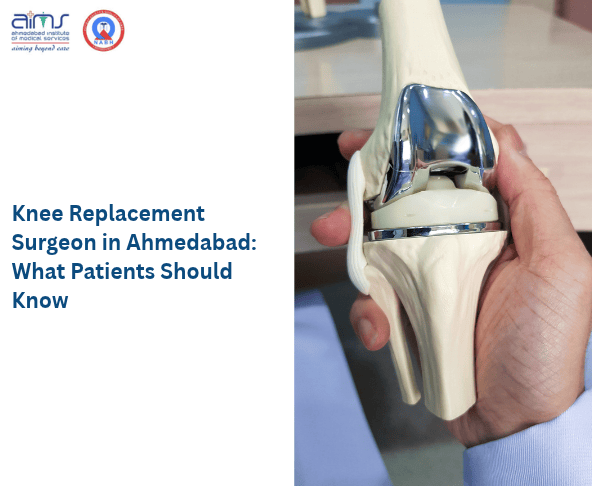
Knee replacement surgery, also called knee arthroplasty, is a procedure in which damaged parts of the knee joint are replaced with artificial components. These components are generally made from metal and medical-grade plastic and are designed to help the joint move more comfortably.
The surgery is commonly recommended for people with advanced osteoarthritis, rheumatoid arthritis, or significant knee damage caused by an injury. These conditions can wear down the protective cartilage inside the joint, leading to pain, stiffness, swelling, and difficulty walking.
A Knee Replacement Surgeon in Ahmedabad assesses the extent of joint damage and considers the patient’s symptoms, activity level, age, and general health before recommending surgery. The decision is based on how much the condition affects daily life and whether other treatments have been effective.
When Should You Consider Knee Replacement Surgery?
Not every person with knee pain needs surgery. Many patients improve with exercise, physiotherapy, weight management, medication, or other non-surgical treatments. Knee replacement may be considered when these options no longer provide sufficient relief and the joint damage is advanced.
Common signs that you may need an orthopedic assessment include persistent knee pain, difficulty walking, stiffness after resting, swelling, reduced movement, and pain that interferes with sleep or everyday activities.
Some people also experience discomfort while climbing stairs, getting up from a chair, or standing for a few minutes. These symptoms can gradually affect independence and quality of life.
A consultation with a Knee Replacement Surgeon in Ahmedabad can help identify the cause of these problems. The surgeon may recommend an examination and X-rays to assess joint damage. Surgery should be considered after discussing the expected benefits, possible risks, and alternative treatments.
How to Choose the Right Knee Replacement Surgeon in Ahmedabad
Selecting a surgeon requires more than comparing hospital names or looking at online reviews. Patients should consider medical qualifications, experience with knee replacement procedures, communication, and the availability of appropriate surgical and rehabilitation facilities.
An experienced surgeon should explain the diagnosis, discuss suitable treatment options, and answer questions about the procedure. Patients should feel comfortable asking about potential complications, recovery time, expected mobility, and the limitations they may experience after surgery.
It is also helpful to understand whether the hospital has access to diagnostic imaging, trained nursing staff, anaesthesia services, and physiotherapy. Patients researching the knee replacement hospital in Ahmedabad should consider the complete treatment pathway, from preoperative assessment to rehabilitation and follow-up appointments.
You may also seek advice from the orthopedic surgeons in Ahmedabad to understand your options and determine whether knee replacement is appropriate for your condition.
What Tests Are Needed Before Knee Replacement Surgery?
Before surgery, the orthopedic team evaluates your knee and overall health. This assessment helps identify medical conditions that may affect the procedure or recovery.
The surgeon usually reviews your symptoms, medical history, previous treatments, and current medications. A physical examination helps assess knee movement, stability, alignment, and tenderness. X-rays are commonly used to determine the extent of cartilage loss and changes in the joint.
Blood tests, an ECG, or other investigations may be recommended based on your age, medical history, and the anaesthetist’s assessment. Patients with diabetes, high blood pressure, heart disease, or other long-term conditions may need additional preparation before surgery.
Inform your medical team about all medicines and supplements you take. Do not stop prescribed medication without medical advice. If you smoke, discussing ways to stop before surgery may also be beneficial because smoking can affect wound healing.
What Happens During Knee Replacement Surgery?
Knee replacement surgery is performed in an operating theatre under an appropriate form of anaesthesia, commonly spinal or general anaesthesia, depending on the patient’s condition and the anaesthetist’s recommendation.
During the procedure, the surgeon removes damaged cartilage and a small amount of underlying bone from the affected joint surfaces. Artificial components are then positioned to restore the joint’s structure and movement. The surgeon checks the alignment and function of the knee before closing the incision.
The operation often takes around one to two hours, although the duration varies depending on the complexity of the case and the type of procedure.
A Knee Replacement Surgeon in Ahmedabad will explain whether a total or partial knee replacement is suitable. Total knee replacement involves replacing the main damaged joint surfaces, while partial knee replacement may be an option when damage is limited to one part of the knee.
The appropriate procedure depends on the patient’s joint condition, ligament function, and overall suitability for surgery.
What Are the Risks of Knee Replacement Surgery?
Knee replacement is a commonly performed procedure, but, like any major surgery, it carries potential risks. Understanding these risks helps patients make an informed decision.
Possible complications include infection, blood clots, bleeding, stiffness, persistent pain, nerve or blood vessel injury, and problems involving the artificial joint. Some patients may need further treatment if complications develop or the implant wears out over time.
The risk varies depending on individual health, the complexity of the procedure, and other factors. Following the surgeon’s instructions, taking prescribed medicines, attending follow-up visits, and starting movement when advised can help reduce certain risks.
Ask your surgeon which precautions are most important for your circumstances and what warning signs require medical attention after discharge.
Recovery After Knee Replacement Surgery
Recovery begins soon after surgery. Many patients are encouraged to stand and start walking with assistance within a day, depending on their condition and the medical team’s advice. A walker or other support may be needed initially.
Physiotherapy is an important part of rehabilitation. Exercises help improve knee movement, strengthen the surrounding muscles, and build confidence while walking. Patients should follow their personalised exercise plan rather than increasing activity too quickly.
Many people can manage basic daily activities within several weeks, but recovery continues for months. The time needed to return to driving, work, and other activities depends on progress, the type of work, and medical advice.
At home, keep walking areas clear, use handrails where possible, and follow instructions about wound care and medication. Contact your healthcare team if you develop fever, increasing wound redness or discharge, worsening pain, or new swelling. Sudden breathlessness or chest pain requires emergency medical attention.
How Can You Prepare for Knee Replacement Surgery?
Preparing before surgery can make the hospital stay and recovery period easier. Arrange transport home, organise help with daily tasks, and prepare a safe space where you can rest and move around with support.
Follow your surgeon’s instructions about fasting, medications, bathing, and admission. If recommended, begin prescribed strengthening exercises before surgery. Maintain a balanced diet and manage existing health conditions as advised by your doctor.
Choose a healthcare facility that can provide coordinated surgical care and rehabilitation. When comparing a hospital in Ahmedabad, ask about the surgical team’s experience, postoperative pain management, physiotherapy arrangements, and follow-up care.
Not all orthopedic procedures are interchangeable. For example, minimally invasive spine surgery treats selected spinal conditions, while arthroscopic knee surgery is used for certain knee problems and is different from knee replacement. Your doctor can explain which procedure, if any, is appropriate for your diagnosis.
Conclusion
Knee replacement surgery may help people with advanced knee joint damage reduce pain and improve their ability to move when other treatments have not provided enough relief. However, the decision requires careful assessment of symptoms, joint damage, overall health, and personal goals.
Choosing a qualified Knee Replacement Surgeon in Ahmedabad can help you understand the procedure, prepare for surgery, and plan your recovery. Ask questions, discuss alternatives, and follow medical advice throughout the treatment process. With appropriate surgical care and rehabilitation, many patients can return to daily activities with improved comfort and mobility.
Frequently Asked Questions
1. How do I know if I need knee replacement surgery?
You may be a candidate if you have severe knee pain, advanced joint damage, and difficulty with daily activities despite trying appropriate non-surgical treatments. An orthopedic surgeon can assess your condition.
2. How long does knee replacement surgery take?
The procedure commonly takes around one to two hours, although the duration depends on the type of replacement and the complexity of the case.
3. How long does recovery after knee replacement take?
Many patients resume basic daily activities within several weeks, but full recovery can take several months. Physiotherapy and regular follow-up appointments are important.
4. Is knee replacement surgery safe?
It is a commonly performed procedure, but risks include infection, blood clots, stiffness, and persistent pain. Your surgeon can explain your individual risk and the precautions used to reduce complications.
5. How long does an artificial knee joint last?
Many modern knee replacements function well for 15–20 years or longer. Implant lifespan varies with activity, health, implant type, and other factors, and some patients may eventually require revision surgery.
