
Back pain, neck pain, and problems affecting the spine can make everyday activities difficult. Simple tasks such as walking, sitting, bending, or sleeping may become uncomfortable when spinal conditions affect the nerves or joints. While many spine problems improve with medication, physiotherapy, and lifestyle changes, some patients may need surgery when symptoms persist or nerve compression becomes severe.
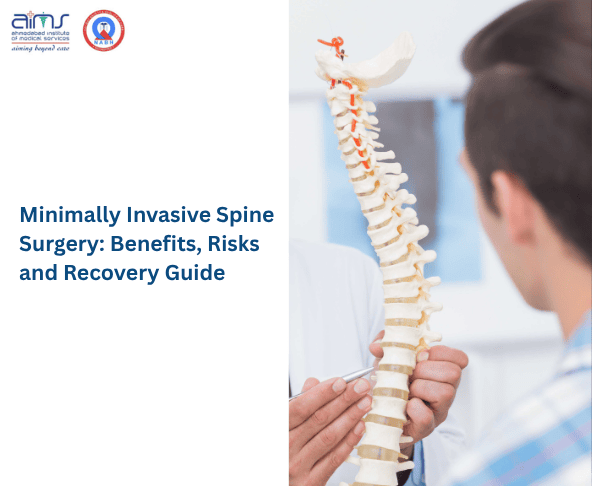
Minimally Invasive Spine Surgery is a modern surgical approach designed to treat certain spinal conditions through small incisions and with less disruption to the surrounding muscles and tissues than traditional open surgery. Depending on the condition, it may help reduce postoperative discomfort, shorten hospital stays, and support a faster return to daily activities.
However, this approach is not suitable for everyone. Understanding its benefits, risks, recovery process, and treatment options can help patients make informed decisions about their spinal health.
What Is Minimally Invasive Spine Surgery?
Minimally Invasive Spine Surgery (MISS) uses specialized instruments, small incisions, and imaging guidance to access the spine and treat specific problems. Instead of exposing a large area of the spine, the surgeon works through a smaller surgical opening, often using a tubular retractor or an endoscopic camera.
The exact technique depends on the patient’s diagnosis and the part of the spine that requires treatment. Some procedures aim to relieve pressure on spinal nerves, while others stabilize the spine or address damaged spinal discs.
Minimally Invasive Spine Surgery may be recommended for selected patients with conditions such as herniated discs, spinal stenosis, certain cases of spondylolisthesis, and some forms of spinal instability.
Before recommending surgery, a specialist generally reviews the patient’s symptoms, medical history, physical examination, and imaging results. Non-surgical treatments are usually considered first unless there is a serious or urgent medical reason for surgery.
What Are the Benefits of Minimally Invasive Spine Surgery?
One of the main advantages of Minimally Invasive Spine Surgery is that it can reduce damage to the muscles and soft tissues around the spine. This may improve the recovery experience for appropriately selected patients.
Smaller incisions and less tissue disruption: Traditional open surgery may require a larger incision and more extensive movement of the surrounding muscles. Minimally invasive techniques use smaller openings, which can reduce tissue disruption in suitable procedures.
Less postoperative pain: Some patients experience less pain after Minimally Invasive Spine Surgery because the surrounding muscles are disturbed less. However, the level of discomfort depends on the procedure, the patient’s health, and the underlying spinal condition.
Potentially shorter hospital stays: Depending on the surgery and the patient’s recovery, discharge may occur sooner than after comparable open procedures. Some selected procedures may even be performed as day surgery.
Smaller scars: Because the incisions are generally smaller, visible scarring may be reduced.
Earlier return to daily activities: Some patients can resume walking and light activities sooner. Returning to work, lifting heavy objects, or participating in sports may take longer and should follow the surgeon’s instructions.
It is important to remember that Minimally Invasive Spine Surgery is not automatically better than open surgery in every situation. The most appropriate method is the one that safely treats the spinal problem and offers the best expected outcome.
Which Conditions Can It Treat?
Minimally Invasive Spine Surgery may help patients whose symptoms are caused by specific structural problems in the spine.
A herniated disc occurs when the soft material inside a spinal disc pushes outward and irritates or compresses a nearby nerve. When symptoms persist despite appropriate treatment, a minimally invasive procedure may be considered to remove the material pressing on the nerve.
Spinal stenosis is a narrowing of the spaces within the spine that can put pressure on nerves. It may cause back pain, numbness, tingling, or leg pain, particularly while walking. Selected patients may benefit from surgery to create more space for the affected nerves.
Other possible applications include certain cases of spinal instability and conditions requiring spinal fusion. The best approach depends on the location and severity of the problem, bone health, previous operations, and overall medical condition.
Not every disc problem requires surgery. Many people improve with physiotherapy, activity modification, and medication prescribed by a healthcare professional.
What Are the Risks of Minimally Invasive Spine Surgery?
Although Minimally Invasive Spine Surgery is designed to reduce tissue disruption, it remains a surgical procedure and carries potential risks.
Possible complications include infection, bleeding, blood clots, nerve injury, spinal fluid leakage, and complications related to anesthesia. Some patients may continue to experience pain, numbness, or weakness after surgery if the underlying nerve damage cannot be fully reversed.
In procedures involving spinal fusion, the bones may sometimes fail to join as expected. In other cases, symptoms may return, or further surgery may be needed.
Minimally invasive techniques can also be technically demanding. The surgeon may have a limited view of the operating area, making experience and appropriate imaging guidance particularly important. Occasionally, a surgeon may need to change the planned technique or convert to open surgery to manage the condition safely.
Patients should discuss their individual risks, expected benefits, and alternative treatments before proceeding. Medical conditions such as diabetes, smoking, poor bone health, and certain medications may influence surgical risks and recovery.
How to Prepare for Spine Surgery
Good preparation can help patients approach surgery with realistic expectations and a clearer recovery plan.
Before Minimally Invasive Spine Surgery, your doctor may recommend blood tests, imaging studies, a review of existing medicines, and an assessment of your general health. Inform your healthcare team about all medications, supplements, allergies, and previous surgeries.
If you smoke, ask about stopping before surgery because smoking can interfere with wound healing and bone fusion. Follow instructions about fasting and medication changes carefully.
It is also useful to arrange transportation home, prepare a comfortable resting area, and seek help with household tasks during the initial recovery period.
Patients considering spine surgery in Ahmedabad should choose a qualified spine specialist who explains the diagnosis, available techniques, potential complications, and realistic recovery expectations.
Recovery After Minimally Invasive Spine Surgery
Recovery depends on the type of procedure, the spinal condition, and the patient’s general health. Some patients begin walking on the day of surgery, while others need additional monitoring or rehabilitation.
During the first few days, mild pain, stiffness, and tiredness may occur. Your surgeon may recommend medication, short walks, wound care, and temporary restrictions on bending, twisting, or lifting heavy objects.
Gradually increasing activity is generally encouraged when approved by the treating team. Physiotherapy may help improve posture, flexibility, strength, and safe movement. Patients should not rush back into strenuous exercise simply because the incision looks small.
Recovery following a simple decompression procedure may take weeks, while spinal fusion can require several months for adequate healing. Follow-up appointments help the doctor monitor progress and identify complications early.
Seek prompt medical attention for worsening weakness, new or increasing numbness, fever, wound discharge, or severe pain that does not improve. New loss of bladder or bowel control or numbness around the groin requires emergency assessment.
Who Is the Right Candidate?
Minimally Invasive Spine Surgery may be suitable for patients with a clearly identified spinal problem that matches their symptoms and has not improved with appropriate non-surgical treatment.
A specialist will consider the patient’s age, activity level, spinal anatomy, bone health, and medical history before recommending an operation. Some complex spinal deformities, extensive instability, or revision procedures may require traditional open surgery or another approach.
A qualified orthopedic spine surgeon or neurosurgeon can explain which treatment is most appropriate. Patients looking for the best orthopedic surgeons in Ahmedabad should prioritize relevant experience, clear communication, and an individualized treatment plan.
A multispeciality hospital in Ahmedabad may offer access to diagnostic imaging, specialist consultations, anesthesia services, and postoperative rehabilitation. If a separate knee condition also affects mobility, arthroscopic knee surgery or consultation with a Knee Replacement Surgeon in Ahmedabad may be discussed as appropriate. These are different treatments and do not replace an assessment of spinal symptoms.
If severe symptoms develop suddenly, particularly new weakness or loss of bladder or bowel control, seek urgent medical assessment rather than waiting for a routine appointment or searching for an emergency hospital near me.
Conclusion
Minimally Invasive Spine Surgery can offer important benefits for selected patients, including smaller incisions, reduced muscle disruption, and potentially shorter recovery times. It can be effective for certain disc problems, spinal stenosis, and other conditions that require surgical treatment.
However, every operation carries risks, and minimally invasive techniques are not suitable for every spinal condition. An accurate diagnosis, an experienced surgeon, realistic expectations, and a carefully followed rehabilitation plan are essential for achieving the best possible outcome.
If persistent back or neck pain is affecting your daily life, consult a spine specialist to understand your options before deciding on surgery.
Frequently Asked Questions
1. Is Minimally Invasive Spine Surgery safe?
It is generally considered safe for appropriately selected patients when performed by a qualified, experienced surgeon. However, complications such as infection, nerve injury, and persistent pain remain possible.
2. How long does recovery take after Minimally Invasive Spine Surgery?
Recovery may take a few weeks for some procedures and several months for spinal fusion. The exact timeline depends on the operation, overall health, and rehabilitation progress.
3. Is Minimally Invasive Spine Surgery better than open surgery?
It may reduce muscle damage, incision size, and recovery time for certain conditions. However, open surgery may be more appropriate for complex spinal problems.
4. Can I walk after Minimally Invasive Spine Surgery?
Many patients are encouraged to begin walking soon after surgery when medically appropriate. The surgeon will explain how much activity is safe and whether any restrictions are necessary.
5. Does Minimally Invasive Spine Surgery permanently cure back pain?
Not always. It can relieve symptoms caused by specific spinal problems, but the outcome depends on the underlying condition. Some patients may continue to experience pain or require additional treatment.
