

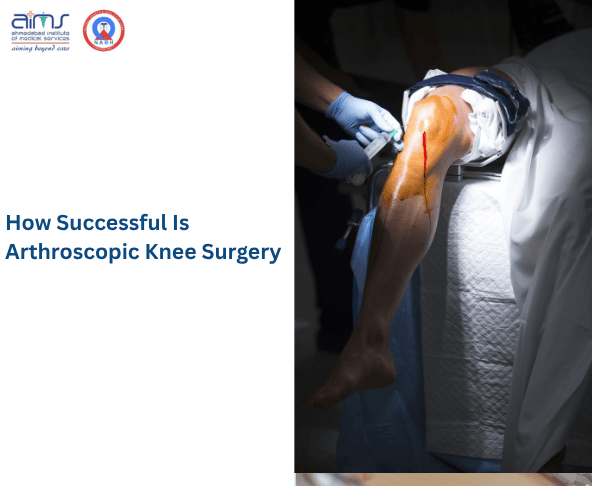
Knee pain can make everyday activities such as walking, climbing stairs, exercising, and sitting comfortably difficult. It may develop because of a sports injury, a torn meniscus, damaged cartilage, or other knee problems. When medicines, rest, and physiotherapy do not provide enough relief, doctors may recommend a surgical treatment based on the underlying condition. One option is arthroscopic knee surgery, a minimally invasive procedure that allows doctors to examine and treat certain knee problems through small incisions.
But how successful is this surgery? The answer depends on the type of knee injury, the patient’s age, overall health, and the condition of the knee joint. For some people, surgery can reduce pain and improve movement. For others, especially those with advanced knee arthritis, it may offer limited benefits.
Understanding the procedure, its success rate, recovery process, and limitations can help patients make informed decisions about their treatment.
What Is Arthroscopic Knee Surgery?
Arthroscopic knee surgery is a procedure in which an orthopedic surgeon uses a small camera, called an arthroscope, to examine the inside of the knee joint. The camera sends images to a screen, helping the surgeon identify the problem and perform specific treatments using small surgical instruments.
The procedure usually involves small cuts around the knee rather than one large incision. Depending on the condition being treated, it may be performed under general or regional anesthesia.
Doctors may recommend arthroscopic knee surgery for selected conditions, including:
- Meniscus tears caused by sports injuries or sudden twisting.
- Certain ligament injuries, including anterior cruciate ligament (ACL) tears.
- Loose pieces of bone or cartilage inside the joint.
- Some cartilage injuries and specific mechanical problems that restrict knee movement.
Not every knee condition requires surgery. A proper examination and appropriate imaging tests help determine whether arthroscopy is a suitable option.
How Successful Is Arthroscopic Knee Surgery?
The success of arthroscopic knee surgery varies depending on the condition being treated. It can be highly effective for certain injuries, particularly when surgery addresses a specific structural problem. However, it is not equally beneficial for every type of knee pain.
For example, patients with an ACL tear may benefit from arthroscopic ligament reconstruction when the injury causes knee instability and interferes with their activities. Similarly, repairing a suitable meniscus tear may help preserve the cushioning tissue inside the knee and support long-term joint health.
However, arthroscopy generally does not provide meaningful long-term pain relief for people with degenerative knee arthritis, particularly when the main problem is widespread cartilage loss. Research has found that arthroscopic surgery for degenerative knee disease usually offers little additional benefit over non-surgical treatments for most patients.
Therefore, there is no single success percentage that applies to everyone. The most useful measure of success is whether the treatment addresses the actual problem, improves knee function, and helps the patient return to daily activities safely.
Factors That Affect the Success Rate
Several factors influence the results of arthroscopic knee surgery.
1. Type and severity of the injury
A specific injury, such as a repairable meniscus tear or an unstable ligament, may respond well to surgery. Widespread cartilage damage or advanced arthritis can make the results less predictable.
2. Age and overall health
Age alone does not determine whether surgery will succeed. However, general health, muscle strength, existing medical conditions, and the amount of joint damage can affect recovery.
3. Experience of the surgeon
An experienced orthopedic surgeon can assess the injury, select an appropriate treatment, and explain the likely benefits and limitations. Patients should ask about the surgeon’s experience with their particular condition.
4. Rehabilitation and physiotherapy
Recovery does not end when the procedure is completed. Following the recommended rehabilitation plan helps restore muscle strength, flexibility, balance, and knee movement. Returning to sports or strenuous activity too early can increase the risk of further injury.
What Are the Benefits of Arthroscopic Knee Surgery?
When performed for an appropriate condition, arthroscopic knee surgery offers several potential benefits. Small incisions may result in less tissue disruption than traditional open surgery. Some patients experience less postoperative discomfort, and the procedure may allow an earlier return to basic activities, depending on the treatment performed.
Other possible benefits include improved knee stability after ligament reconstruction, treatment of certain mechanical problems, and repair of selected meniscus tears.
However, minimally invasive does not mean risk-free. Results depend on the underlying injury, the surgical technique, and the patient’s recovery. Patients should understand that some procedures require several months of rehabilitation before they can return to demanding physical activities.
Recovery After Arthroscopic Knee Surgery
Recovery time varies according to the procedure and the patient’s individual condition. After a minor arthroscopic procedure, some people can resume light daily activities within days or weeks. More complex procedures, such as ACL reconstruction or meniscus repair, often require several months of structured rehabilitation.
During the early recovery period, doctors may recommend ice packs, leg elevation, prescribed pain relief, and temporary activity restrictions. Crutches or a knee brace may be necessary in some cases.
Physiotherapy is an important part of recovery. Exercises help reduce stiffness, rebuild strength, and improve balance. Patients should follow their surgeon’s instructions regarding weight-bearing, driving, work, and sports.
Severe or increasing pain, significant swelling, fever, wound discharge, or calf pain should be reported promptly to a healthcare professional. Sudden breathlessness or chest pain requires emergency medical attention.
Are There Any Risks or Limitations?
Like every surgical procedure, arthroscopy has potential risks. These include infection, bleeding, blood clots, stiffness, persistent pain, and complications related to anesthesia. Additional treatment may sometimes be required if symptoms continue or the injury does not heal as expected.
One important limitation is that arthroscopy cannot reverse advanced osteoarthritis or restore cartilage that has been extensively lost. Patients with persistent pain from severe arthritis may need a different treatment approach.
Depending on the diagnosis, a specialist may recommend physiotherapy, medication, activity modification, or other procedures. For patients with advanced joint damage, knee replacement may be considered after evaluating their symptoms, mobility, and response to non-surgical treatment.
When Should You Consult an Orthopedic Specialist?
Consider consulting an orthopedic specialist if knee pain continues despite rest and appropriate treatment, your knee repeatedly gives way, you experience locking or restricted movement, or an injury prevents you from walking normally.
A specialist will review your symptoms, medical history, physical examination findings, and imaging results before recommending treatment. If you are looking for the best orthopedic surgeons in Ahmedabad, choose a qualified professional who can explain both surgical and non-surgical options.
Patients seeking an arthroscopy surgeon in Ahmedabad should ask whether their particular injury is suitable for arthroscopic treatment and what results they can realistically expect. For people with advanced joint damage, discussing options with a knee replacement surgeon in Ahmedabad or learning about a best knee replacement hospital in Ahmedabad may also be appropriate.
Care at a multispeciality hospital in Ahmedabad can help patients access orthopedic assessment, diagnostic services, anesthesia support, and rehabilitation when needed. If knee symptoms occur alongside other spine-related problems, a specialist may separately evaluate whether treatments such as invasive spine surgery are relevant; this is not a treatment for knee joint damage itself.
Conclusion
Arthroscopic knee surgery can be successful when it is used to treat the right condition, particularly certain ligament injuries, repairable meniscus tears, and specific mechanical problems. Its effectiveness depends on the severity of the injury, the patient’s overall health, and the quality of postoperative rehabilitation.
However, it is not a universal solution for knee pain and generally provides limited benefit for degenerative knee arthritis. The best approach is to obtain an accurate diagnosis and discuss the expected benefits, risks, and alternatives with an orthopedic specialist before deciding on surgery.
With appropriate treatment and a carefully followed rehabilitation plan, many patients can improve their knee function and return to their usual activities.
Frequently Asked Questions (FAQs)
1. Is arthroscopic knee surgery highly successful?
It can be highly effective for selected conditions, such as certain ligament injuries and repairable meniscus tears. Success depends on the diagnosis, severity of damage, and rehabilitation.
2. How long does it take to recover from arthroscopic knee surgery?
Recovery may take days to weeks after a minor procedure, while ligament reconstruction or meniscus repair may require several months. Your surgeon will provide a timeline based on your procedure.
3. Is arthroscopic knee surgery painful?
Some pain, swelling, and stiffness are normal after surgery. These symptoms usually improve with prescribed medication, appropriate care, and rehabilitation.
4. Can arthroscopic surgery cure knee arthritis?
No. Arthroscopy does not cure osteoarthritis or restore extensively damaged cartilage. Most people with degenerative knee arthritis benefit more from appropriate non-surgical management, although individual treatment needs vary.
5. Can I walk normally after arthroscopic knee surgery?
Many patients gradually return to normal walking, but the timeline depends on the procedure and the condition being treated. Follow your surgeon’s weight-bearing instructions and rehabilitation plan to support a safe recovery.
